About
MarineSci4Life
A platform led by marine scientist Colin Howe, dedicated to understanding and protecting tropical marine ecosystems from reefs to microbes and expanding access to science for the next generation of ocean stewards.
MarineSci4Life blends research, fieldwork, mentorship, and storytelling to foster a deeper connection between people and the ocean, especially across Caribbean Island communities where Colin’s scientific journey began.

Research for Resilient Reefs and Communities
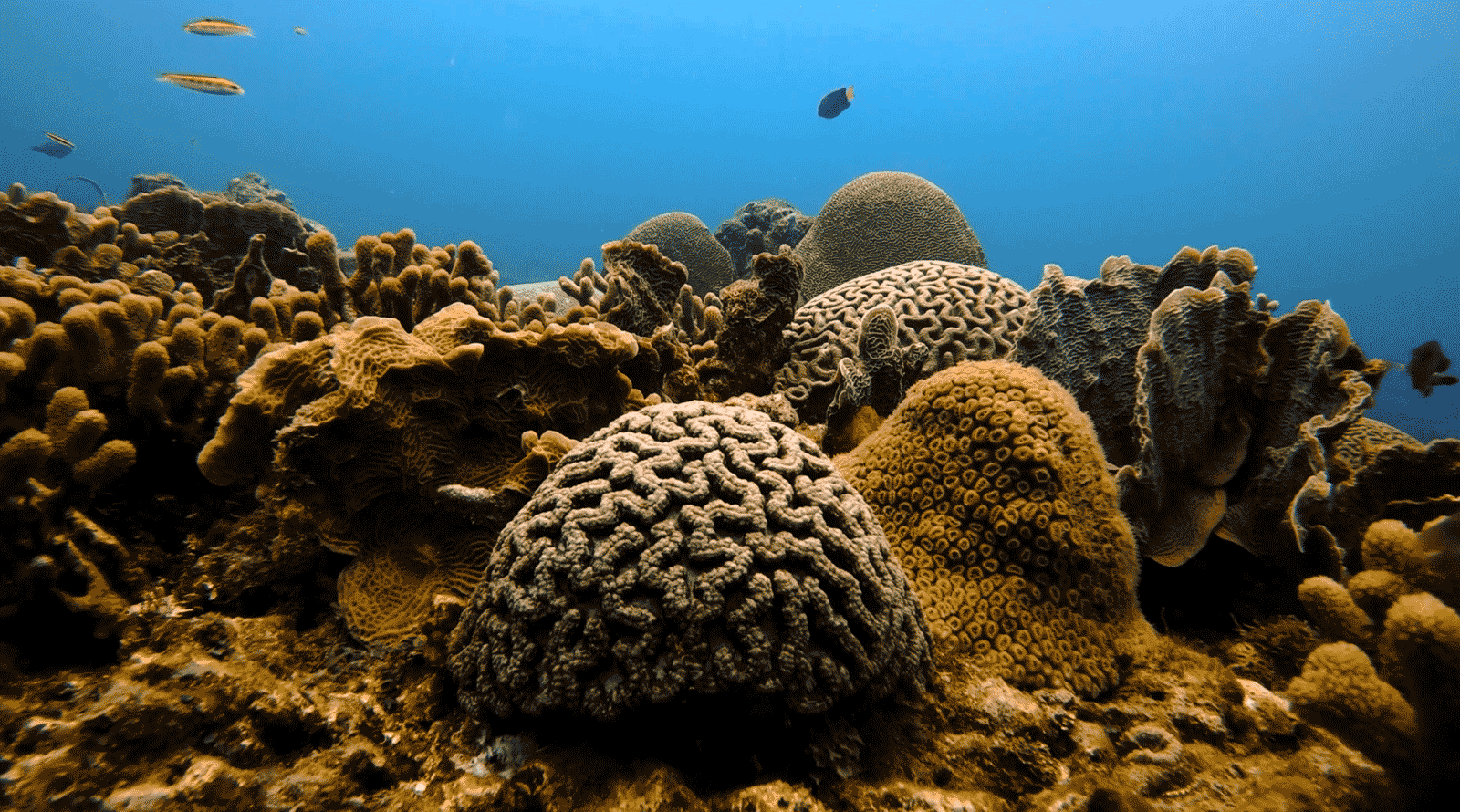
Colin’s research explores tropical marine ecosystems to understand how best to conserve and protect these biodiverse and beautiful places.
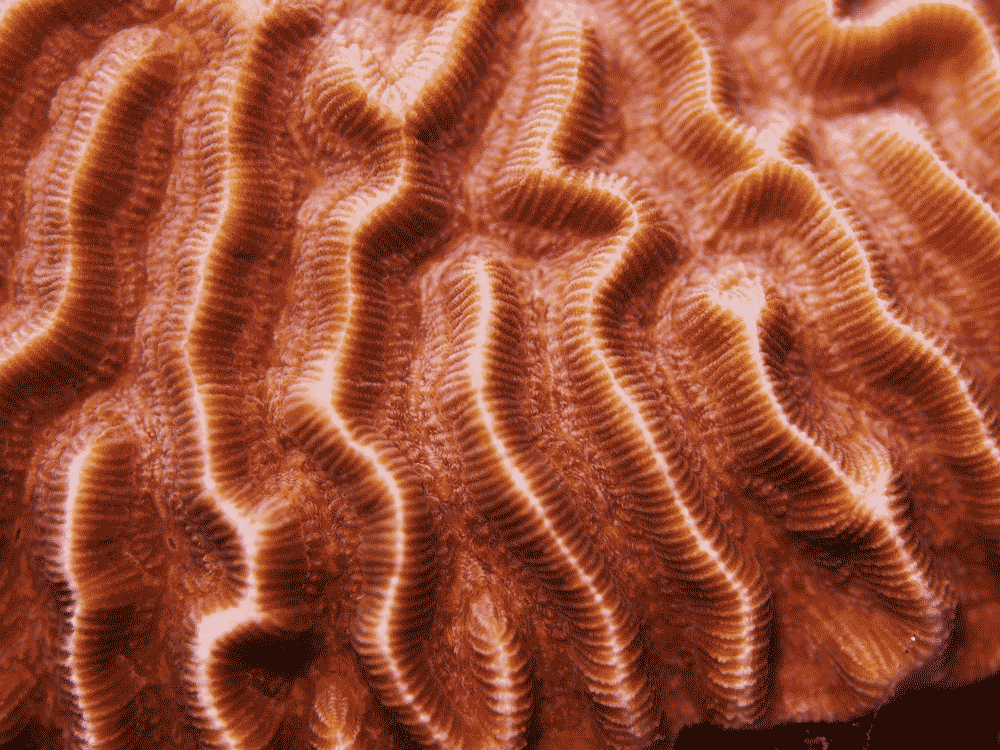
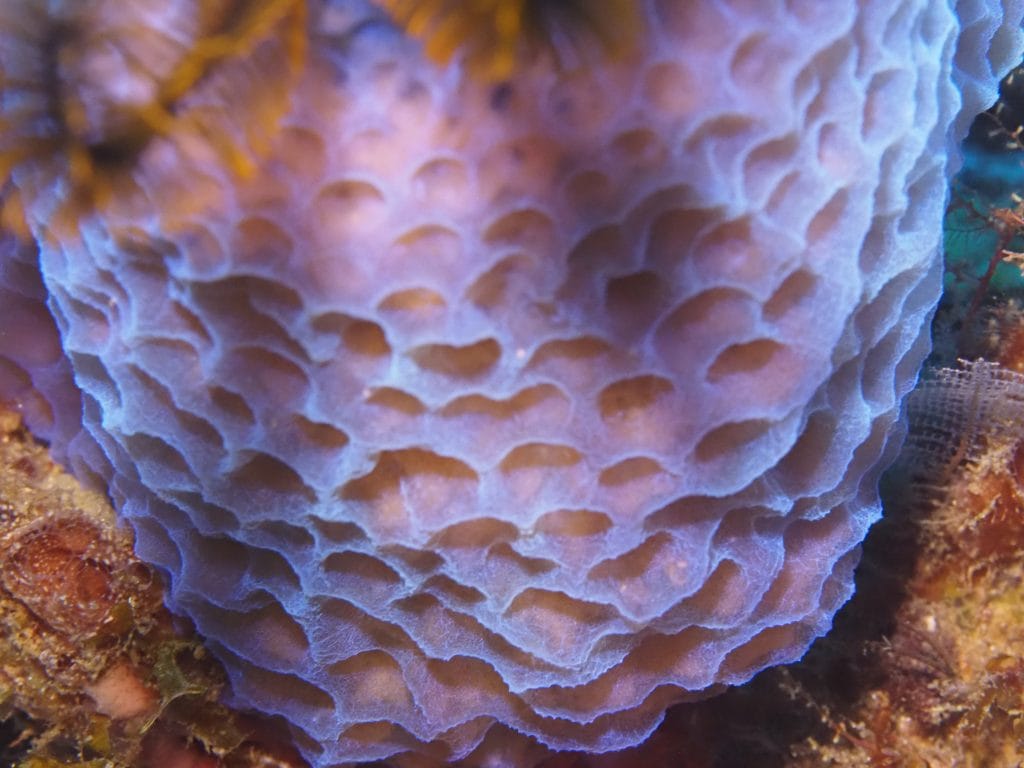
Colin’s work integrates:
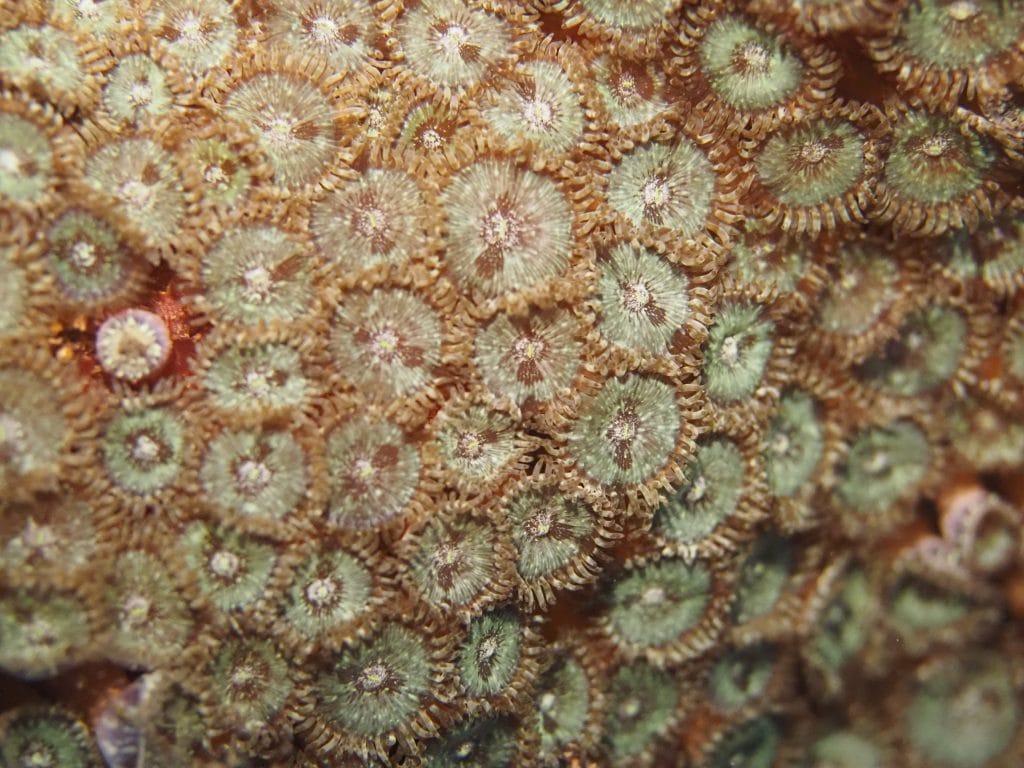
• Coral Reef Ecology – Long-term monitoring, health assessments, coral husbandry and restoration.
• Genomics, Ecology & Bioinformatics – Using field, bench and computational skills to learn how coral microbiomes are structured across the tree of Scleractinia and their eco-evolutionary relationship within coral holobionts.
• Computational modeling – Model how coral restoration and natural hybridization influences coral population genetics over ecological and evolutionary timescales.
•Coral Ancient DNA (coraDNA) – Applied breakthrough lab-based training to process and extract DNA from coral skeleton cores collected offshore from Colombia’s Caribbean coast.

A paleogenomic approach to reconstruct historical responses of coral reefs to anthropogenic change
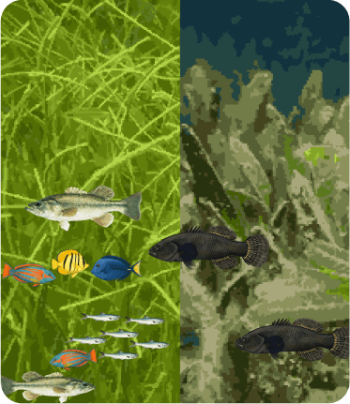
Altered juvenile fish communities associated with invasive Halophila stipulacea seagrass habitats in the U.S. Virgin Islands
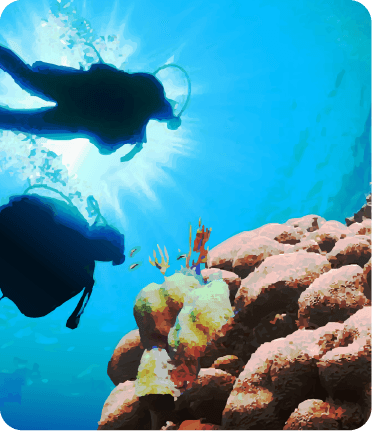
The effect of recreational SCUBA divers on the structural complexity and benthic assemblage of a Caribbean coral reef
Scientific Leadership
The Gilliam Fellowship supports graduate scientists who demonstrate research excellence alongside a sustained commitment to mentorship, inclusion, and leadership in STEM. As a Gilliam Fellow, Colin Howe advances this mission through his work with MarineSci4Life, integrating rigorous marine science research with experiential learning and mentorship.
Fellowship Website
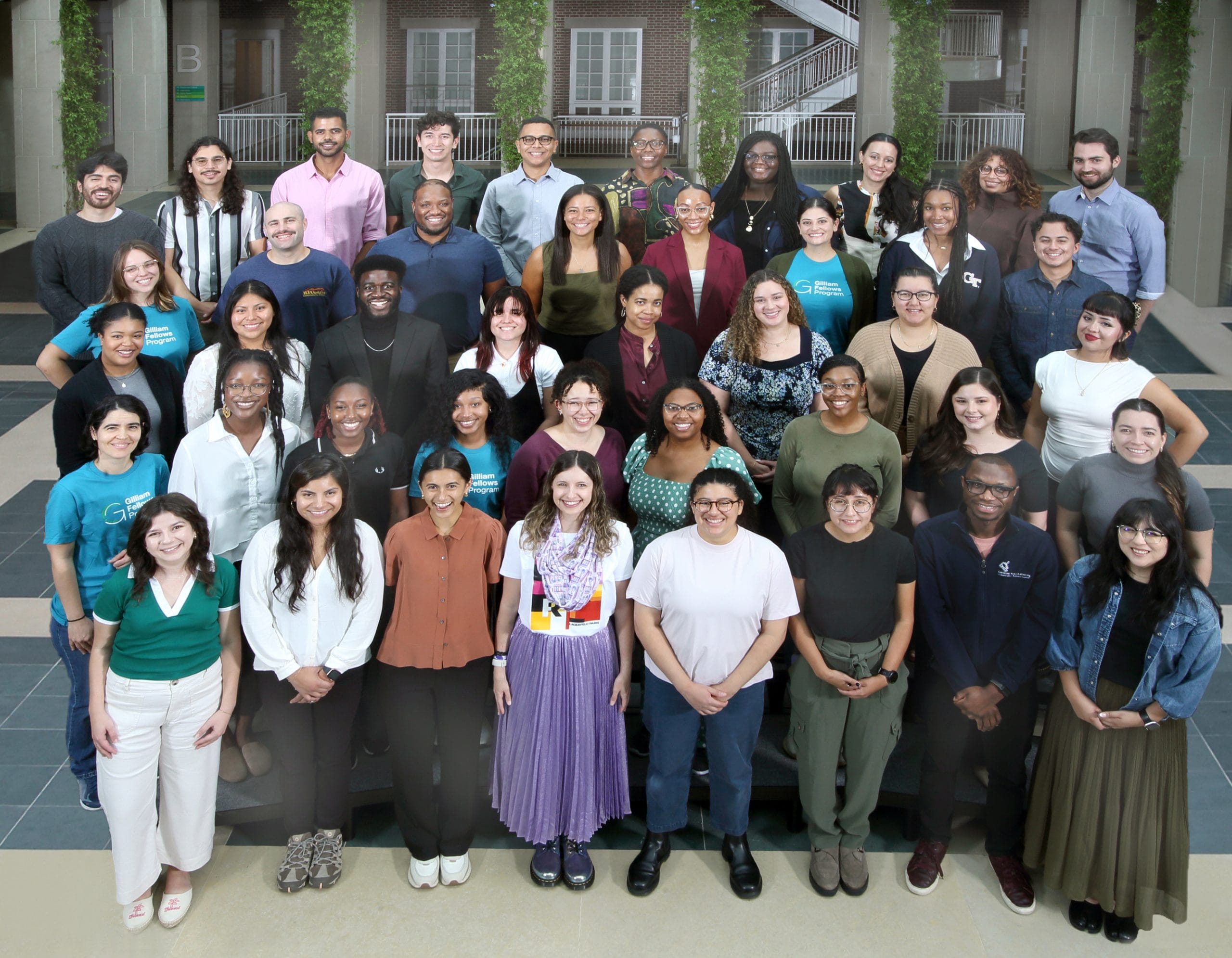
Support from the Gilliam Fellowship enables Colin and Dr. Medina to expand experiential learning opportunities for students interested in marine science. With the end of funding for the Bridge Program and CBIOS Fellowship, Gilliam support helps sustain efforts to:
• Develop new field-based and molecular research experiences.
• Produce accessible marine science content for Caribbean Island communities.
• Continue building pipelines that welcome students from marginalized backgrounds into STEM.
• Strengthen Colin’s training in genomics, bioinformatics, and modeling as he completes his PhD and prepares for an academic career.
The fellowship amplifies the reach of MarineSci4Life by supporting programs that blend science, culture, and community.
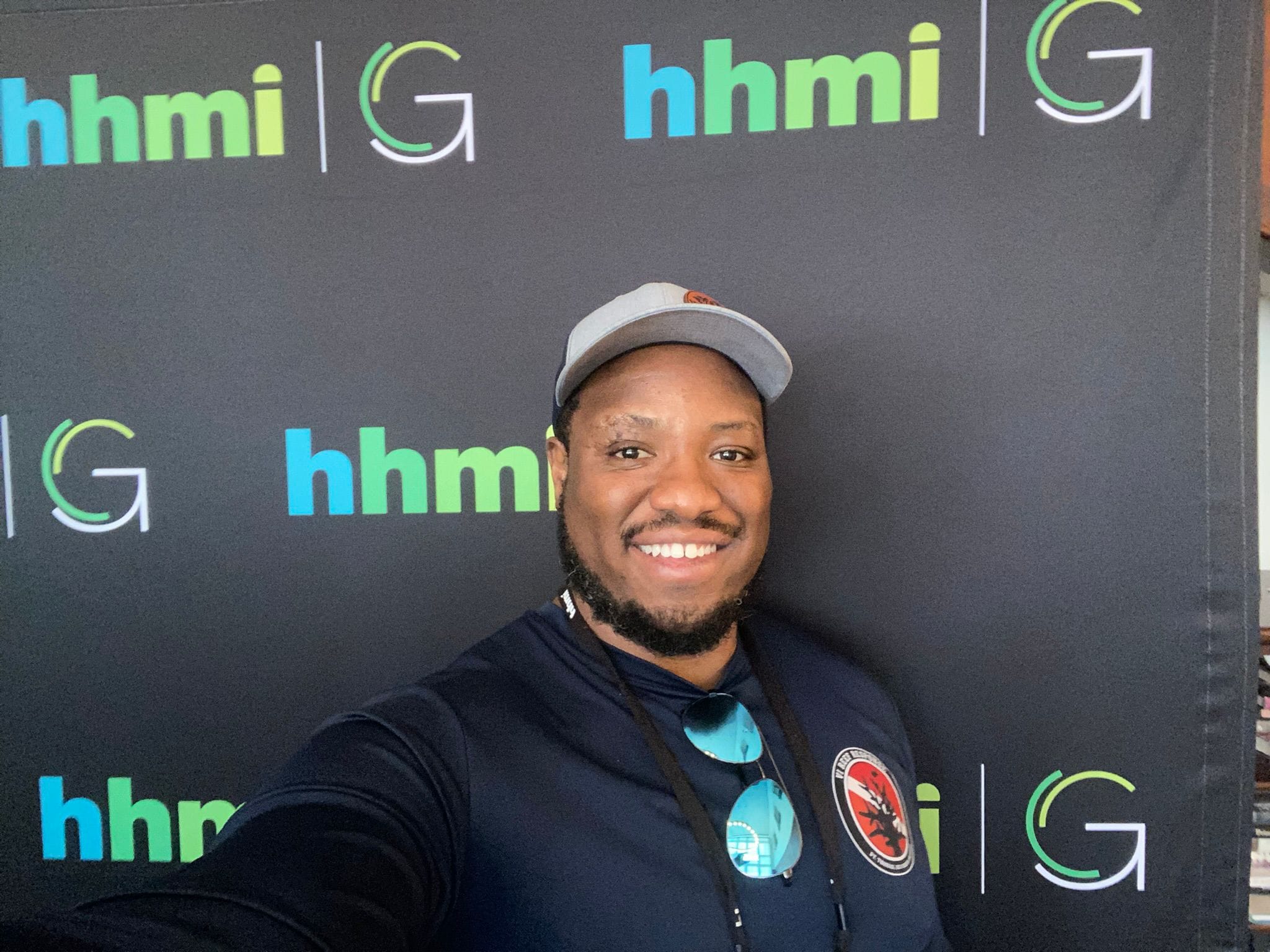
Penn State graduate student and adviser pair awarded HHMI Gilliam Fellowship
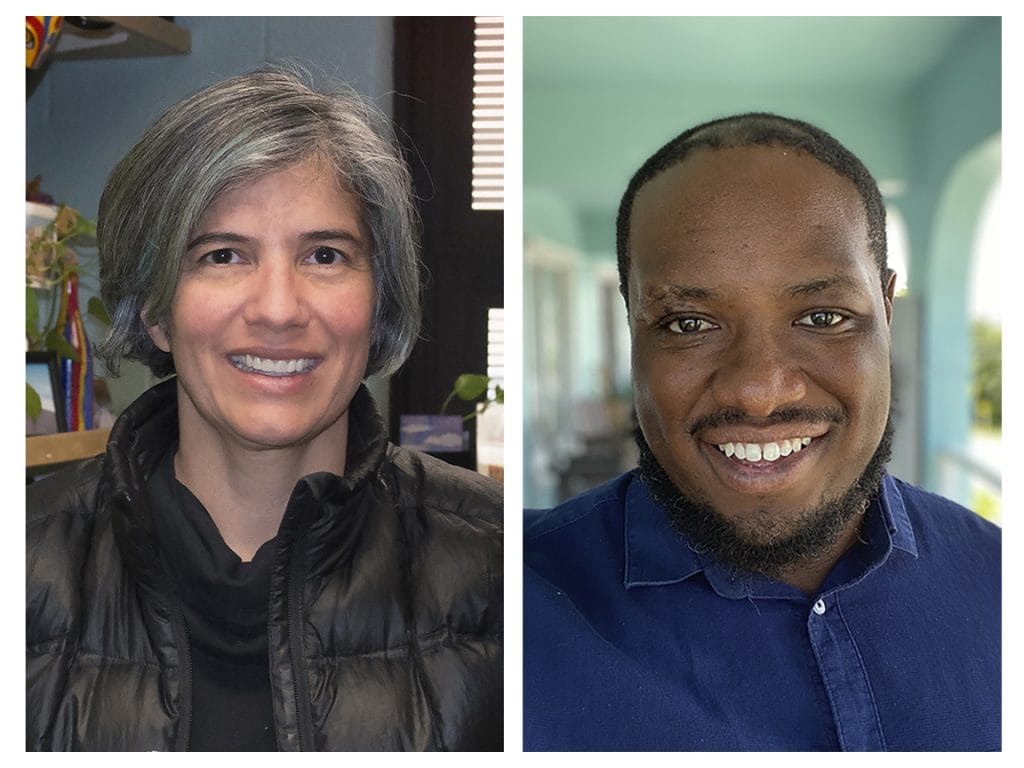
“It feels surreal to be recognized and accepted into the Gilliam family at HHMI. I am thrilled to join such a prestigious community and to learn from talented, motivated, and successful scientists and researchers,” said Howe. “Support from the Gilliam [Fellowship] will allow us to continue advocating for underrepresented minorities in marine science and bring awareness to the utility of biological and environmental conservation and education.”
Read the article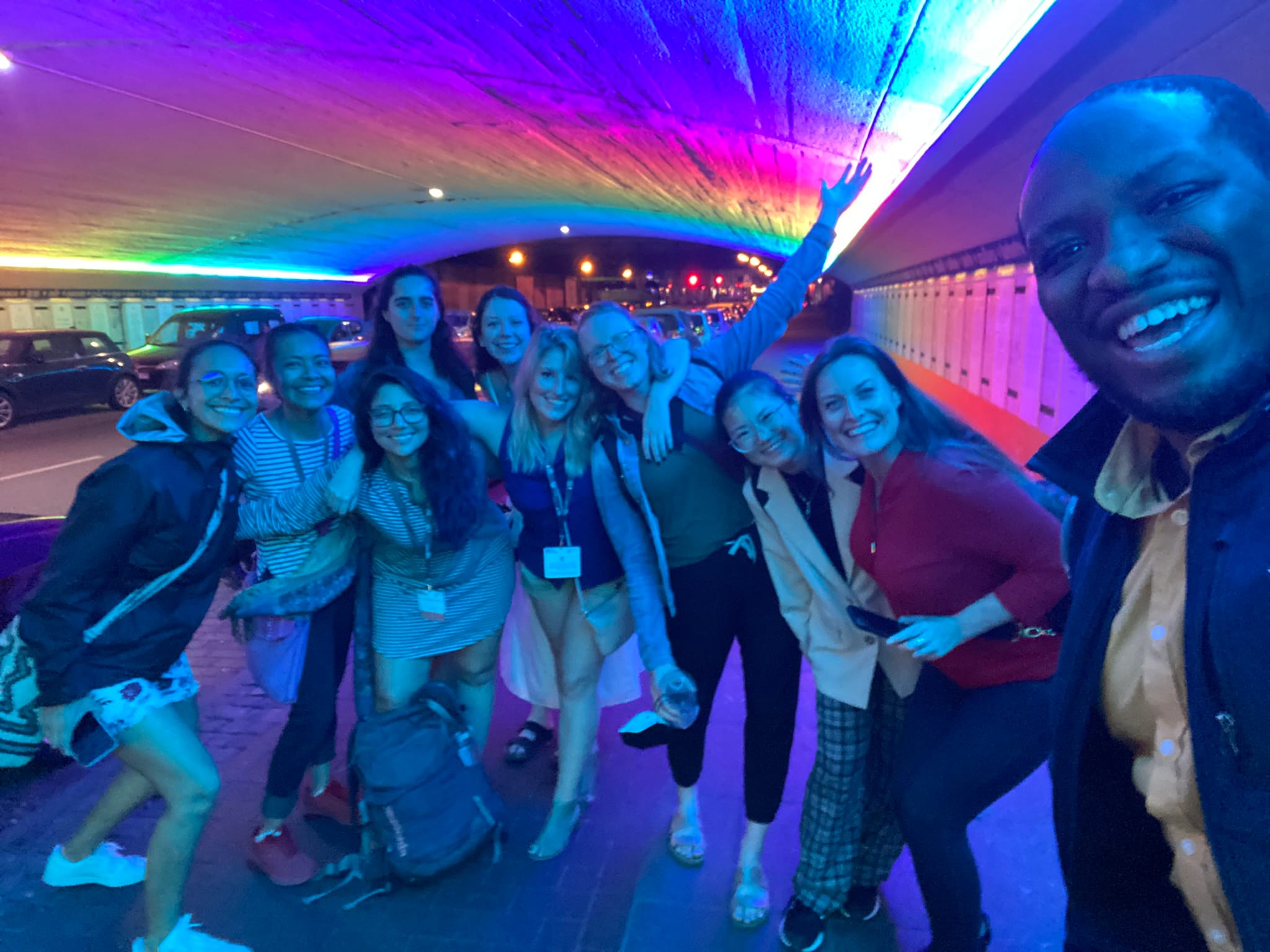
Colin’s leadership philosophy is grounded in collaboration, inclusion, and the belief that scientific excellence must be paired with equitable access. His leadership journey began as an undergraduate, when he co-founded the Marine Biology Student Association at Old Dominion University to address the lack of diversity in marine science. As president, he organized trainings, facilitated scuba certifications, and secured travel grants for students attending national conferences.
Since then, he has taken on roles in coral restoration leadership, project management, science communication, and program development. At Penn State, he has been a key contributor to the Summer Bridge Planning Committee, shaping a program that supports underrepresented students transitioning into doctoral research.
Colin’s work extends beyond academia. Through videos, blogs, social media, and public-facing science communication, he shares both his research and his experiences as a Black marine scientist, offering visibility and representation for future generations.
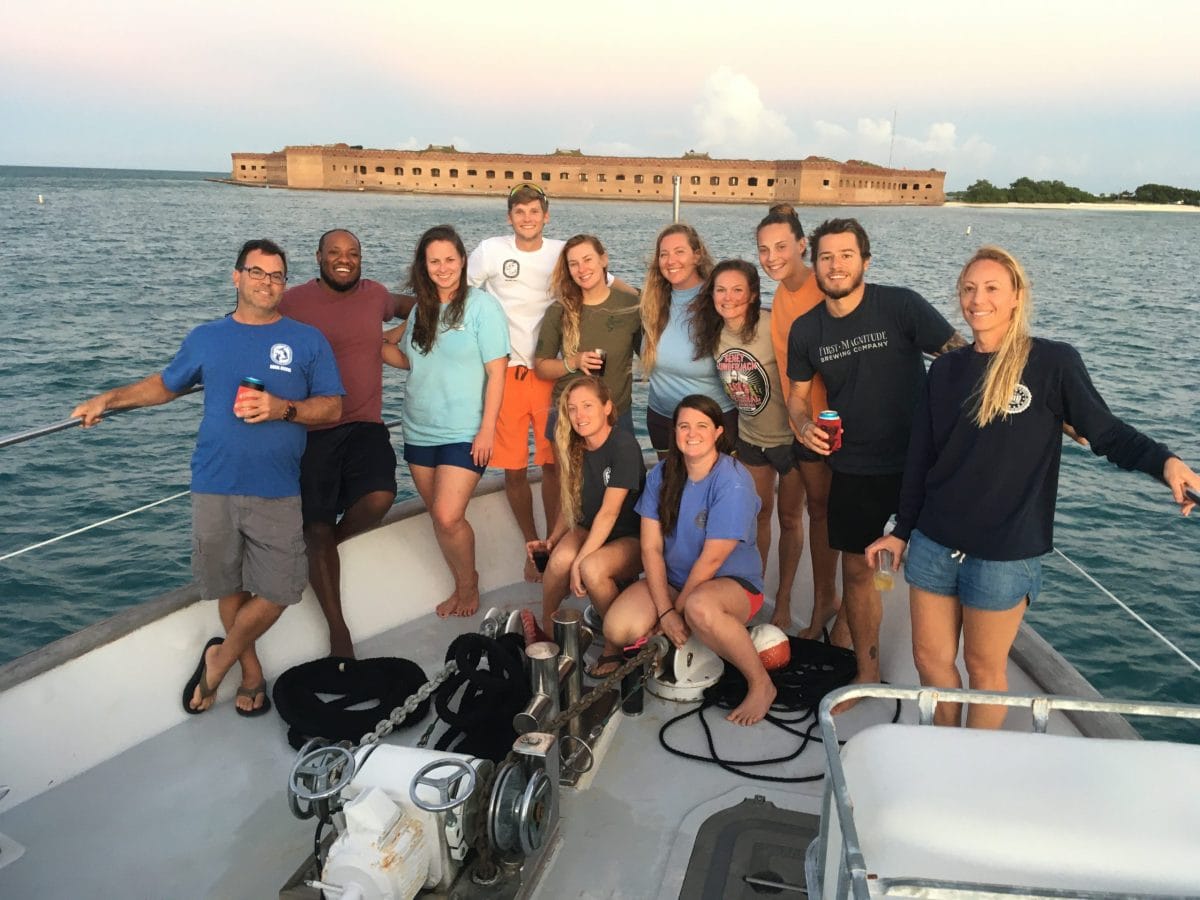
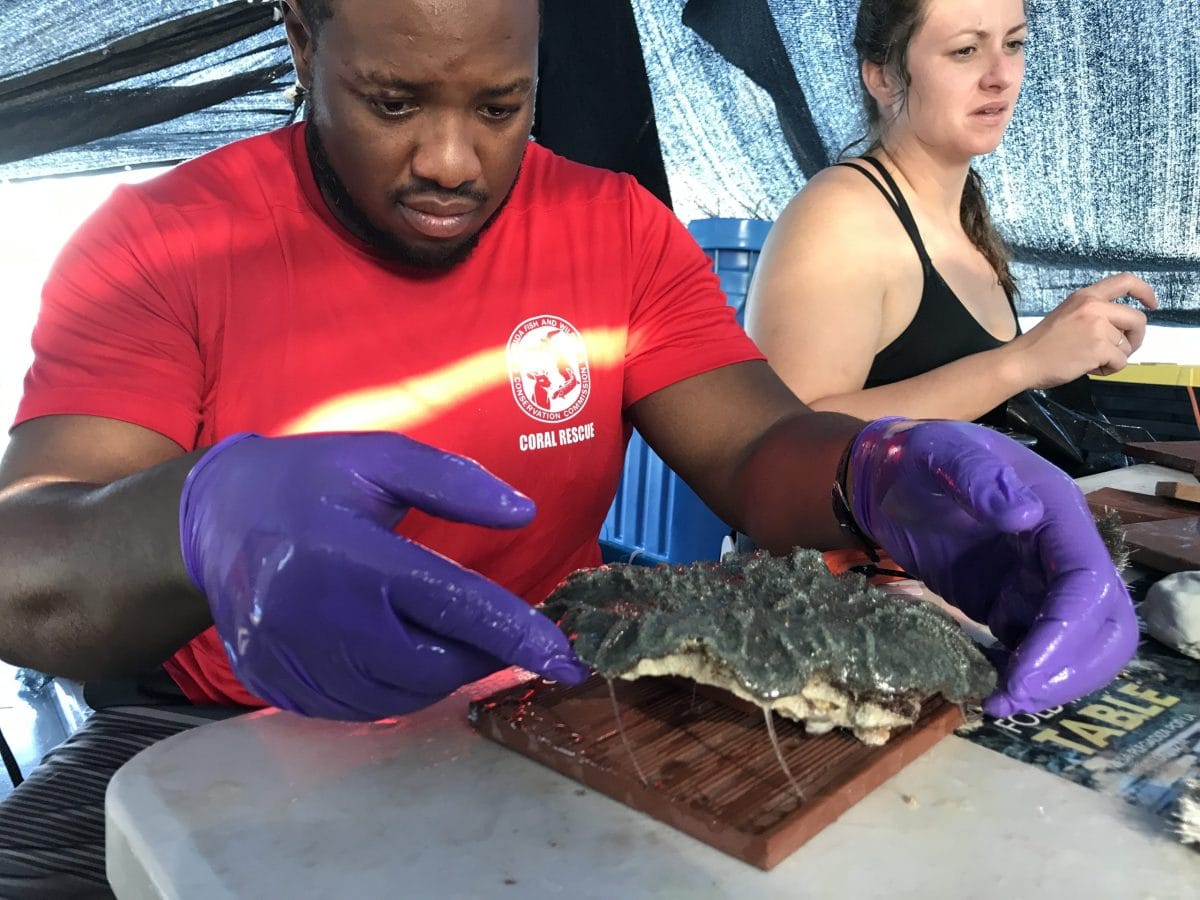
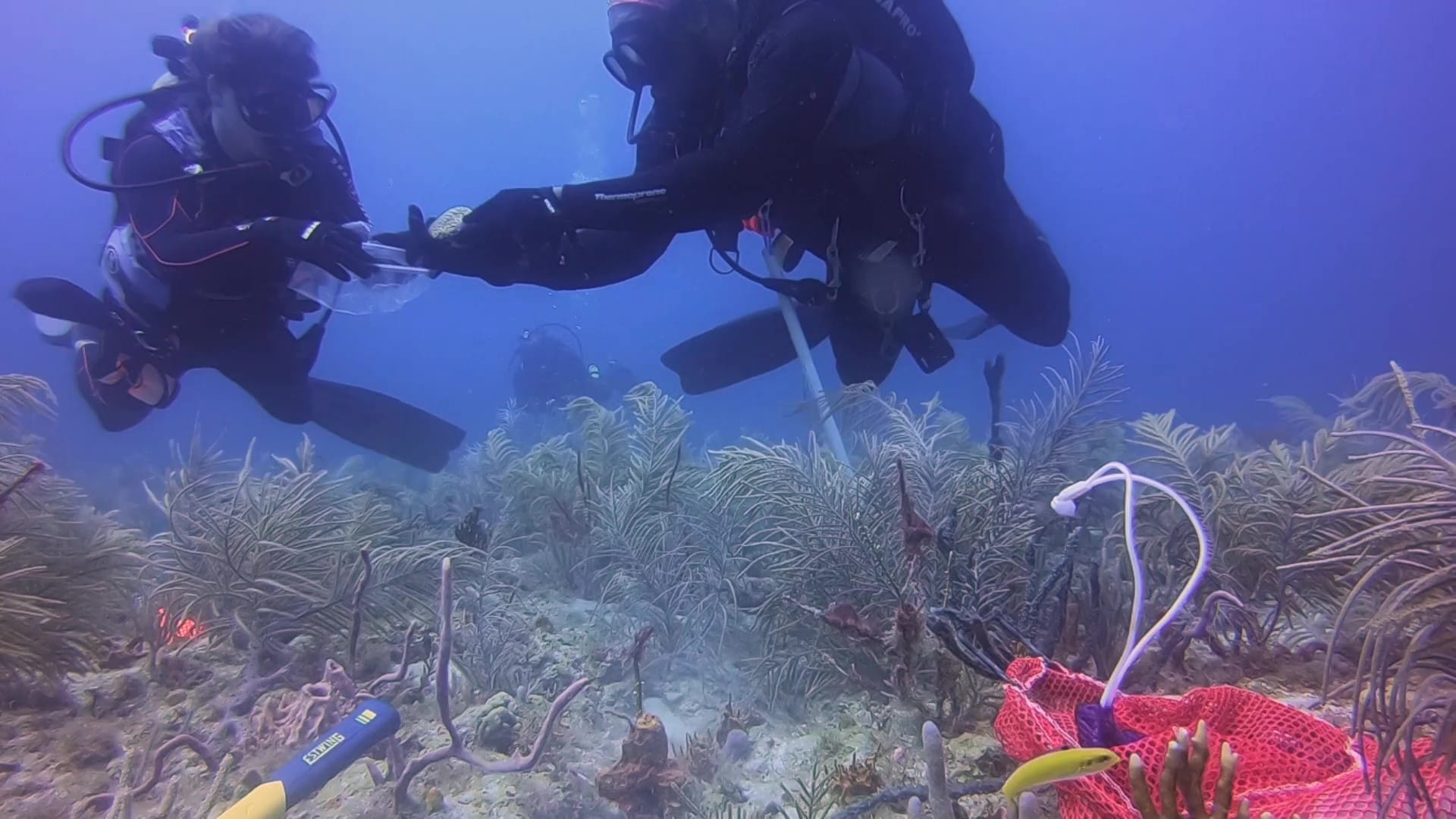
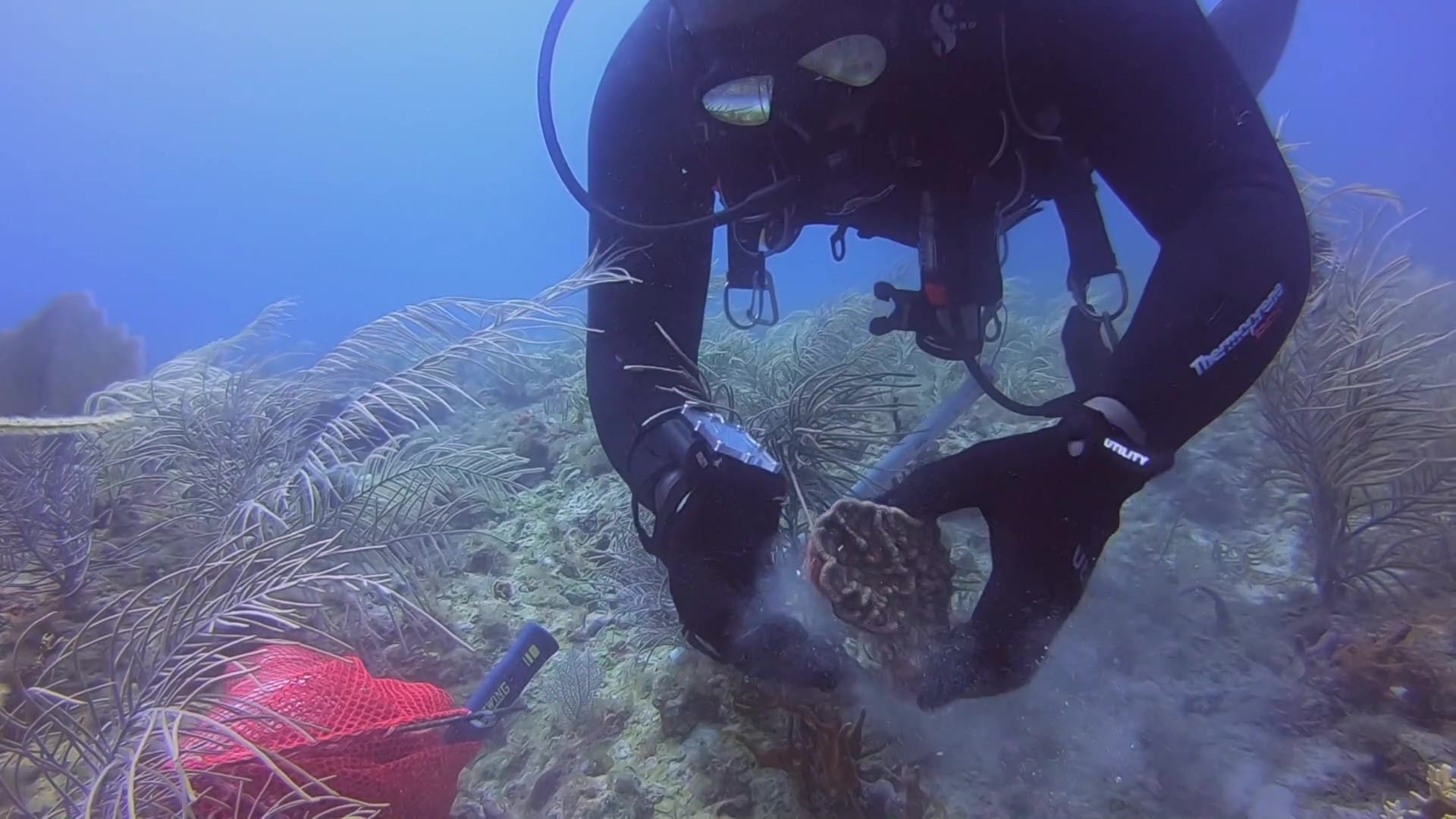
AZA Coral Reef Tract Rescue Project
The AZA-Florida Reef Tract Rescue Project (AZA-FRTRP) is an AZA member-driven coral rescue and conservation network focused on the rescue, housing and future propagation of Florida corals affected by stony coral tissue loss disease. The AZA-FRTRP is a project within the AZA SAFE (Saving Animals From Extinction) Coral Program.
Experiential Learning & Mentorship
At the core of MarineSci4Life is Colin’s belief that students learn best when they can connect coursework, laboratory skills, and field experiences. His teaching and mentoring draw on:
• Study-abroad instruction in the Dutch Antilles, where he guided students through seagrass beds, mangroves, and coral reefs.
• Leadership in the NSF Summer Bridge to PhD Program, mentoring students from Puerto Rico, Guam, and the U.S. Virgin Islands in microbial ecology and metagenomics.
• Curriculum development at Penn State, where he has contributed to course design, training activities, and program planning.
• Mentoring graduate students in coral microbiome research, guiding them from DNA extractions to sequencing and manuscript preparation.
Colin is committed to supporting students—especially those from underrepresented groups—by cultivating autonomy, confidence, and scientific identity

Fieldwork & Media

Science communication is a central element of Colin’s work. He develops video content, storytelling projects, and public-facing explanations of coral ecology, restoration, and genomics. His media content highlights both the science and the people behind it—students, collaborators, island communities, and fellow researchers.