About
MarineSci4Life
A platform led by marine scientist Colin Howe, dedicated to understanding and protecting tropical marine ecosystems from reefs to microbes and expanding access to science for the next generation of ocean stewards.
MarineSci4Life blends research, fieldwork, mentorship, and storytelling to foster a deeper connection between people and the ocean, especially across Caribbean Island communities where Colin’s scientific journey began.
Research for Resilient Reefs and Communities
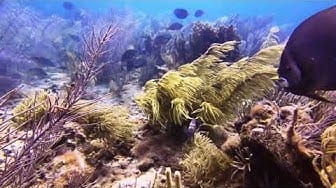
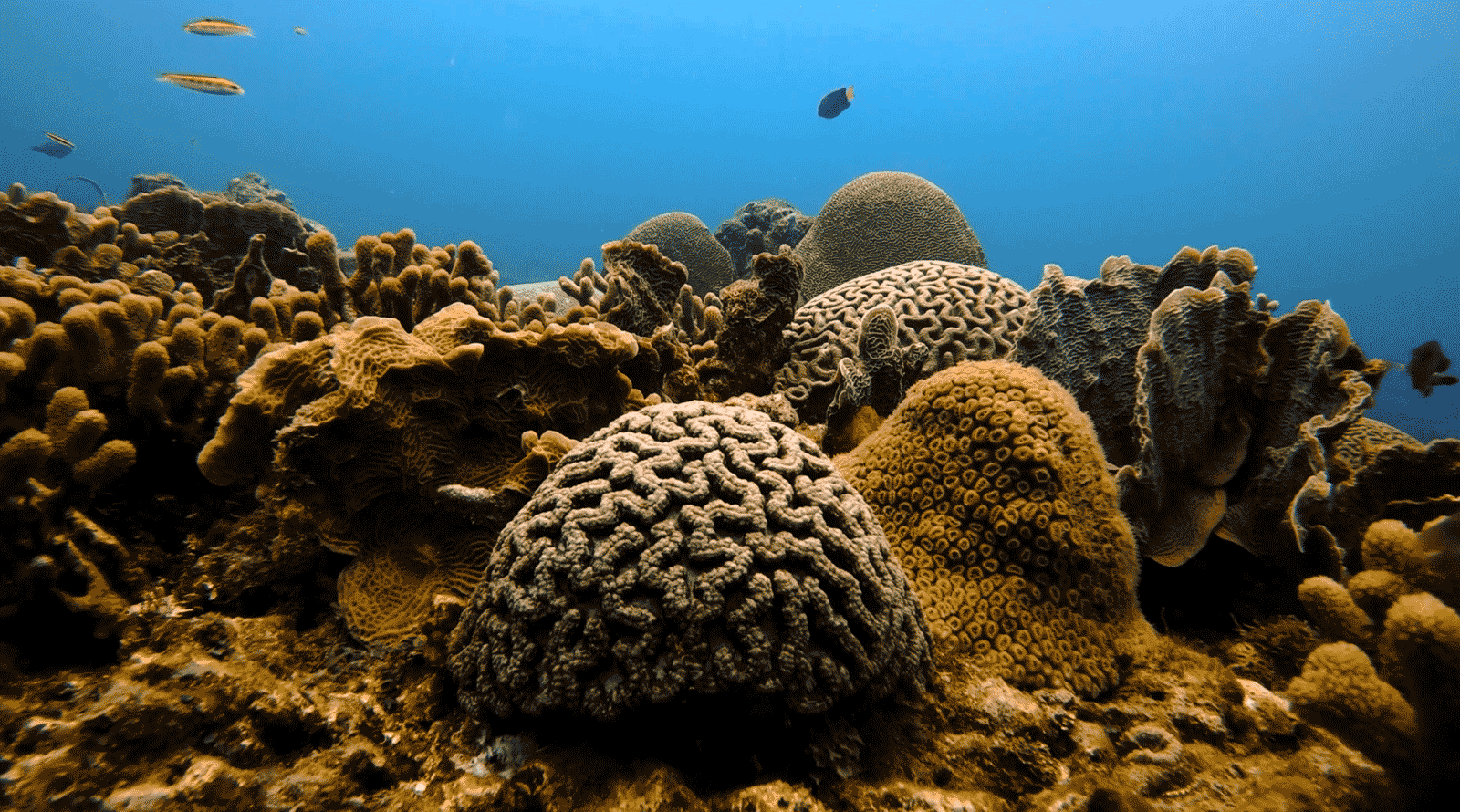
Colin’s research explores tropical marine ecosystems to understand how best to conserve and protect these biodiverse and beautiful places.
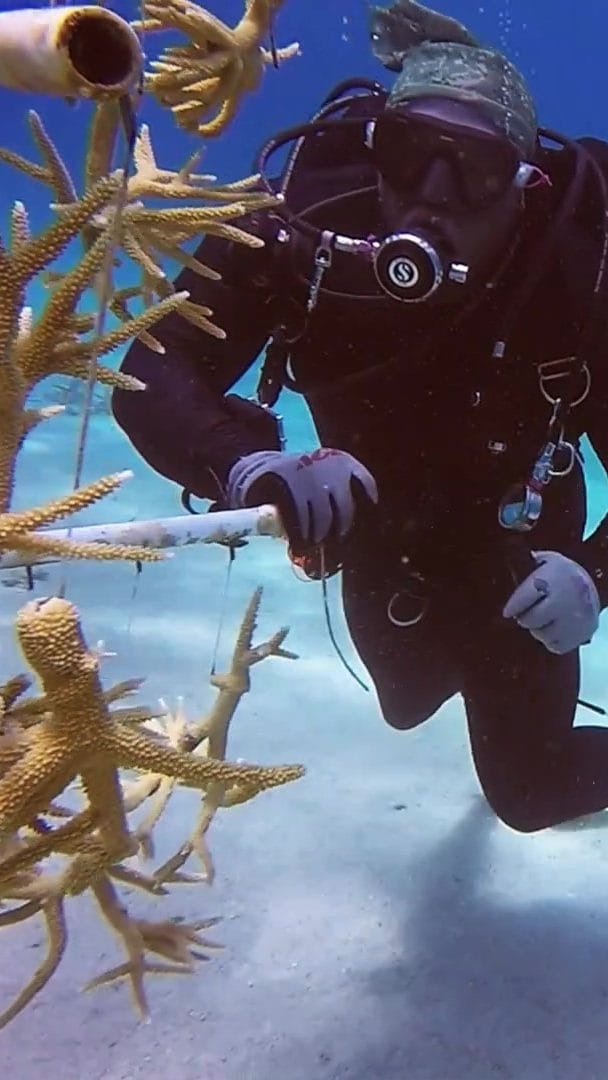
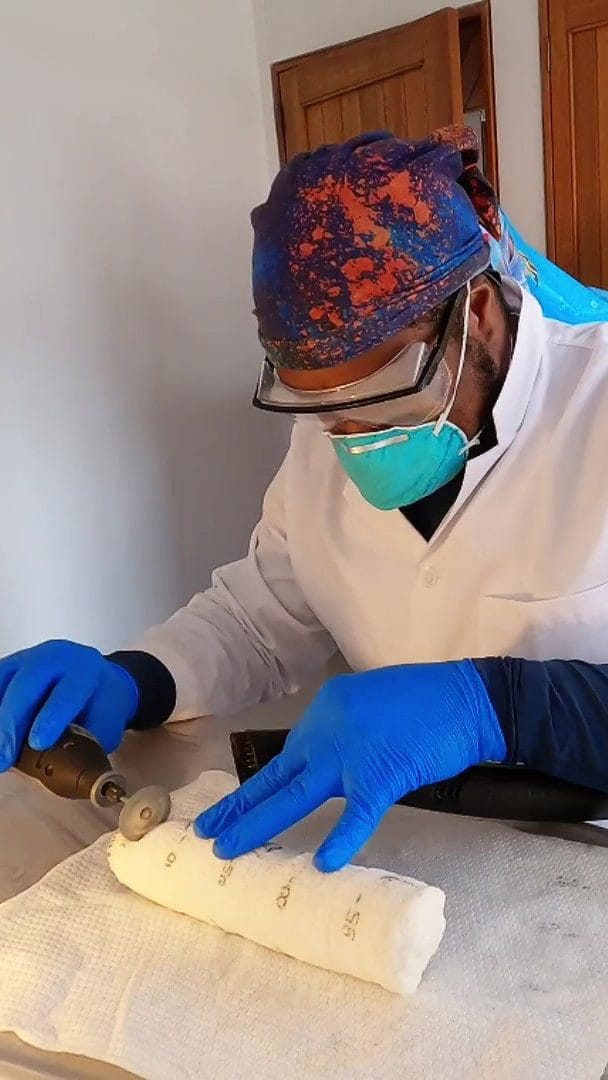
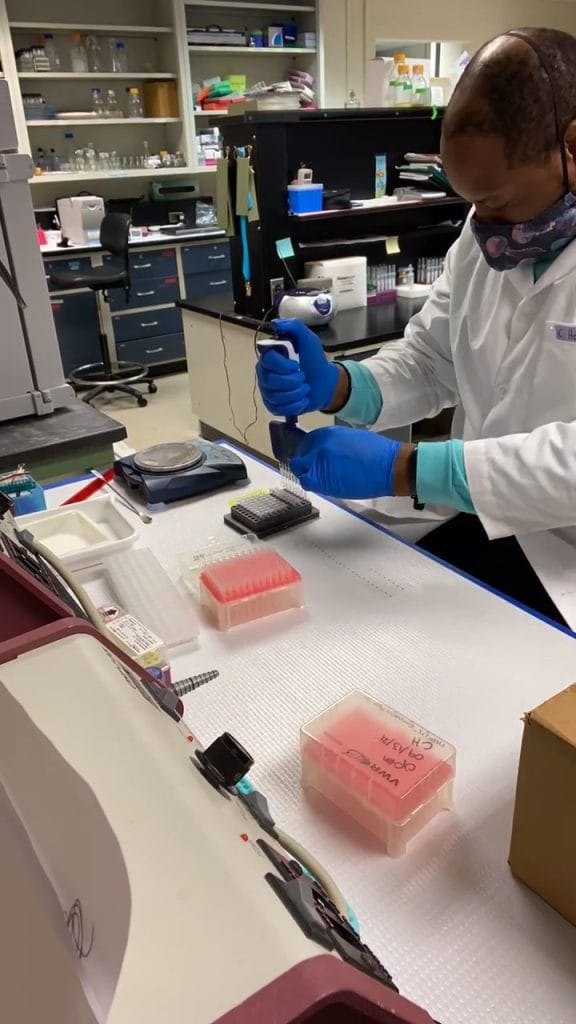
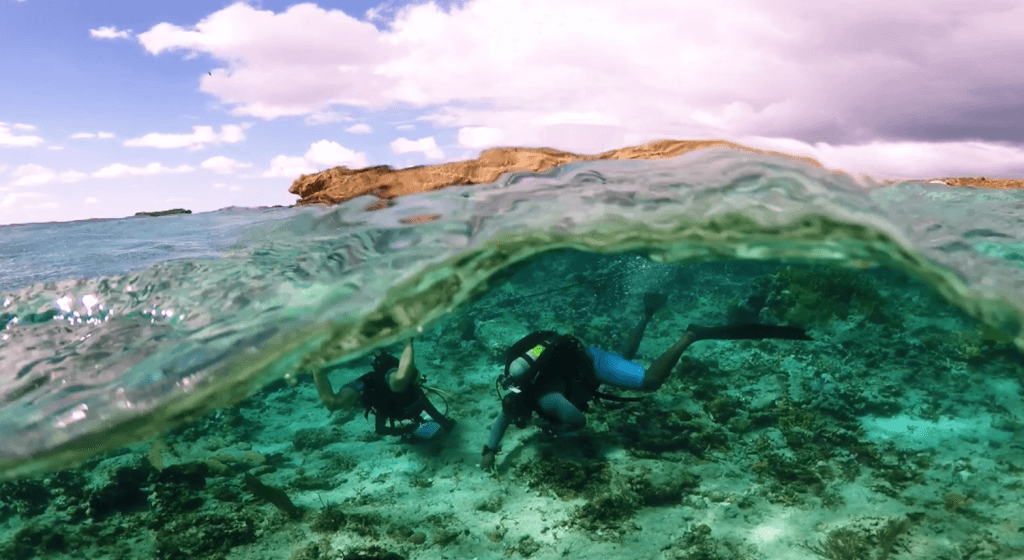
Colin’s work integrates:
• Coral Reef Ecology – Long-term monitoring, health assessments, coral husbandry and restoration.
• Microbial Ecology, Genomics & Evolution – Using field, bench and computational skills to learn how coral microbiomes are structured across the tree of Scleractinia and their eco-evolutionary relationship within coral holobionts.
• Computational Bioinformatics and Statistics – Model how coral restoration and natural hybridization influences coral population genetics over ecological and evolutionary timescales. GitHub ID: Troylapolice
•Coral Ancient DNA (coraDNA) – Applied breakthrough lab-based training to process and extract DNA from coral skeleton cores collected offshore from Colombia’s Caribbean coast.
GitHub ID: Chowe015
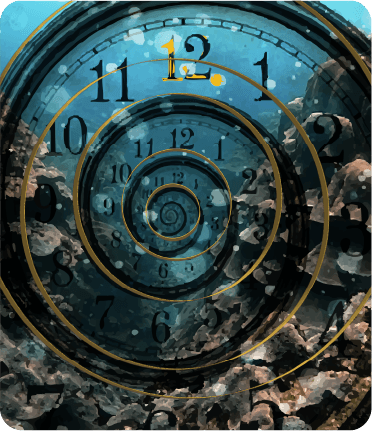
A paleogenomic approach to reconstruct historical responses of coral reefs to anthropogenic change
Coral reefs are declining worldwide due to anthropogenic-driven environmental change. The foundation and health of these ecosystems rely on the harmonious functioning of all members of coral holobionts, i.e., cnidarian host, symbiotic microalgae, and associated microbiome. Coral stress responses often involve shifts in the taxonomic identity of their symbionts and microbiomes. Tracing back changes in coral holobiont composition over prolonged time periods can help us reconstruct health history of reefs and gain a better understanding of coral response to current stressors. Here, we focused on a major Caribbean reef-builder coral, Orbicella faveolata, from the Varadero Reef, Colombia. This reef has undergone extensive freshwater sediment discharge for decades as result of urbanization. We show, for the first time, that paleogenomic and paleoclimatic approaches can be combined to reconstruct historical, coral holobiont dynamics potentially associated with anthropogenic disturbances.
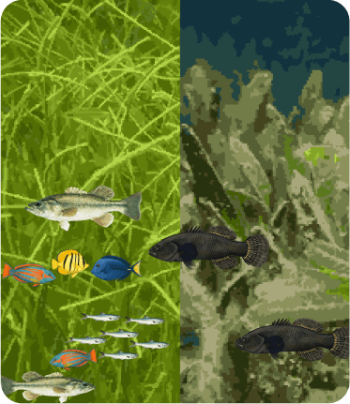
Altered juvenile fish communities associated with invasive Halophila stipulacea seagrass habitats in the U.S. Virgin Islands
Caribbean seagrass habitats provide food and protection for reef-associated juvenile fish. The invasive seagrass Halophila stipulacea is rapidly altering these seascapes. Since its arrival in the Caribbean in 2002, H. stipulacea has colonized and displaced native seagrasses, but the function of this invasive seagrass as a juvenile fish habitat remains unknown. To compare diversity, community structure, and abundance of juvenile fish between H. stipulacea and native seagrass beds, fish traps were deployed in four nearshore bays around St. Thomas, U.S. Virgin Islands. Traps were deployed in Frenchman, Lindbergh, and Sprat Bays for 24 h intervals in patches of bare sand, patches of H. stipulacea and patches of the native Caribbean seagrasses Thalassia testudinum and Syringodium filiforme. Traps were then deployed in Brewers Bay for 12 h intervals in stands of H. stipulacea and S. filiforme. Relative and total abundances of juvenile fish, identified at least to family, were compared across treatment habitats for each trap deployment period. The catch from H. stipulacea, compared to native seagrasses, comprised a greater abundance of nocturnal carnivores Lutjanus synagris (family Lutjanidae) and Haemulon flavolineatum (family Haemulidae). Additionally, the herbivore species Sparisoma aurofrenatum (family Labridae) and Acanthurus bahianus (family Acanthuridae) and the diurnal carnivore species Pseudopeneus maculatus (family Mullidae) were relatively scarce in H. stipulacea. The catch from sand was much smaller, compared to vegetated habitats, and comprised only L. synagris, H. flavolineatum, and H. aurolineatum. These results provide evidence of reduced family diversity and altered juvenile fish assemblages in H. stipulacea, driven by an abundance of some nocturnal carnivores and scarcity of herbivores and diurnal carnivores. The findings from the present work underpin the need for further investigation and mitigation of this invasion, particularly where H. stipulacea is driving seascape-alterations of key juvenile fish habitats.
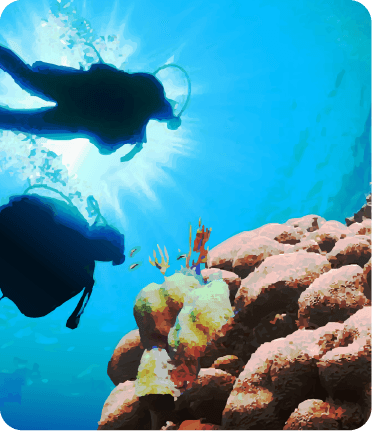
The effect of recreational SCUBA divers on the structural complexity and benthic assemblage of a Caribbean coral reef
The effect of recreational SCUBA diving on coral reefs is likely secondary to many of the commonly cited stressors that threaten the long-term survival of coral reefs, such as rising temperatures. However, recreational SCUBA diving has had documented effects on various benthic organisms. Most research on the effect of SCUBA divers has focused on broken and abraded benthic organisms or the rate at which divers contact the benthos. We tested for differences in the structural complexity and benthic assemblage between pairs of heavily and lightly trafficked dive sites in Bonaire, a popular Carribbean diving destination. There was roughly 10 % less structural complexity in areas of heavy traffic. This is alarming given that the structural complexity of shallow reefs in Bonaire is substantially lower than in the 1970s. Different functional groups of benthic organisms were affected differentially by diving traffic. For instance, massive corals such as Orbicella annularis were 31 % less abundant at heavy than light diver traffic areas, while gorgonians and sponges had similar abundances at heavy and light diver traffic areas. Our results match those of previous studies on the resistance and resilience of tropical benthic reef organisms to physical disturbances that suggest that stony corals are more prone to physical damage than gorgonians and sponges. We provide a number of possible management strategies that could reduce the effects of recreational SCUBA divers on Bonaire and elsewhere, including education/intervention by dive guides and concentration of diving traffic away from areas of stony coral abundance.
Scientific Leadership
The Gilliam Fellowship supports graduate scientists who demonstrate research excellence alongside a sustained commitment to mentorship, inclusion, and leadership in STEM. As a Gilliam Fellow, Colin Howe advances this mission through his work with MarineSci4Life, integrating rigorous marine science research with experiential learning and mentorship.
Fellowship Website
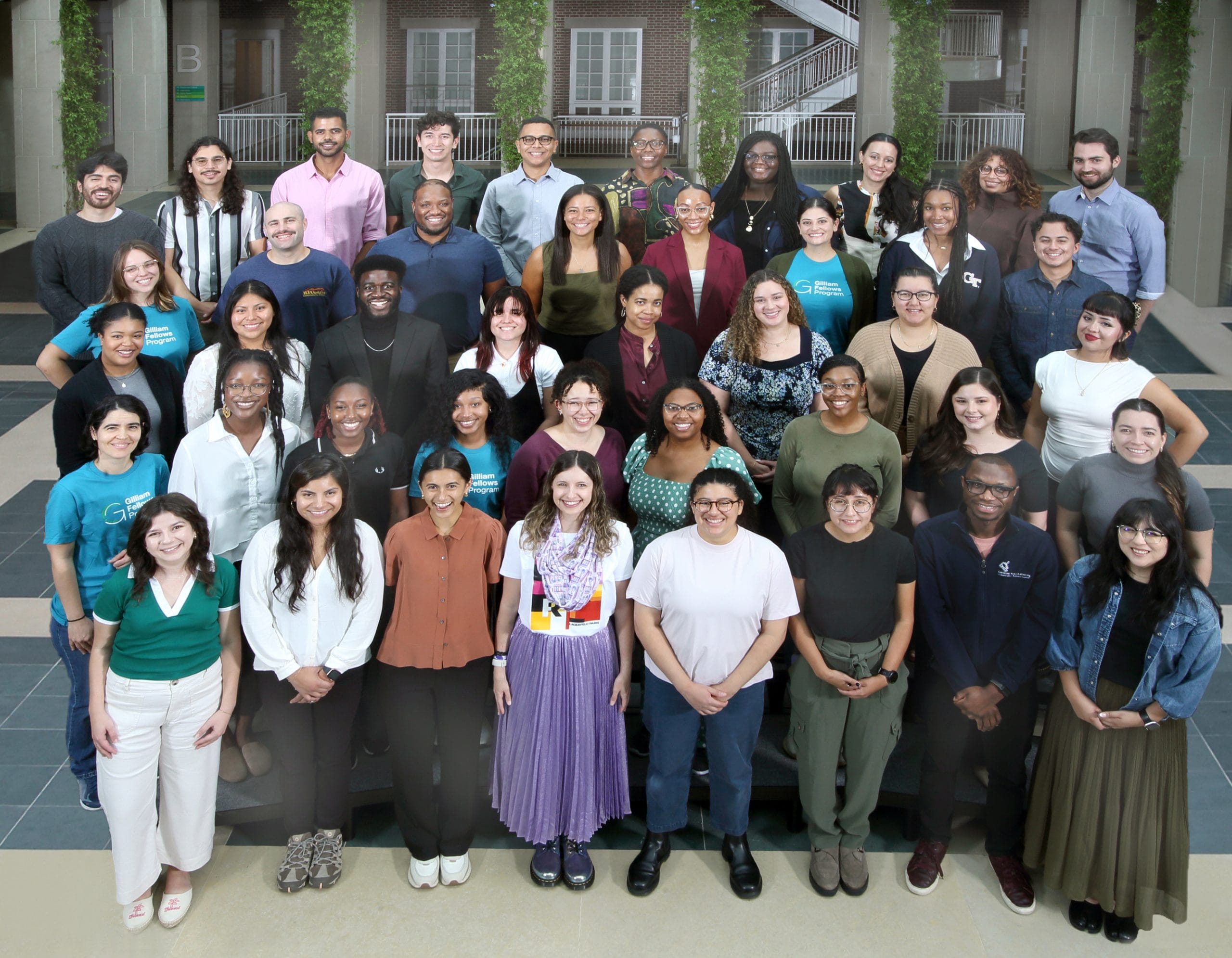
Support from the Gilliam Fellowship enables Colin and Dr. Medina to expand experiential learning opportunities for students interested in marine science. With the end of funding for the Bridge Program and CBIOS Fellowship, Gilliam support helps sustain efforts to:
• Develop new field-based and molecular research experiences.
• Produce accessible marine science content for Caribbean Island communities.
• Continue building pipelines that welcome students from marginalized backgrounds into STEM.
• Strengthen Colin’s training in genomics, bioinformatics, and modeling as he completes his PhD and prepares for an academic career.
The fellowship amplifies the reach of MarineSci4Life by supporting programs that blend science, culture, and community.
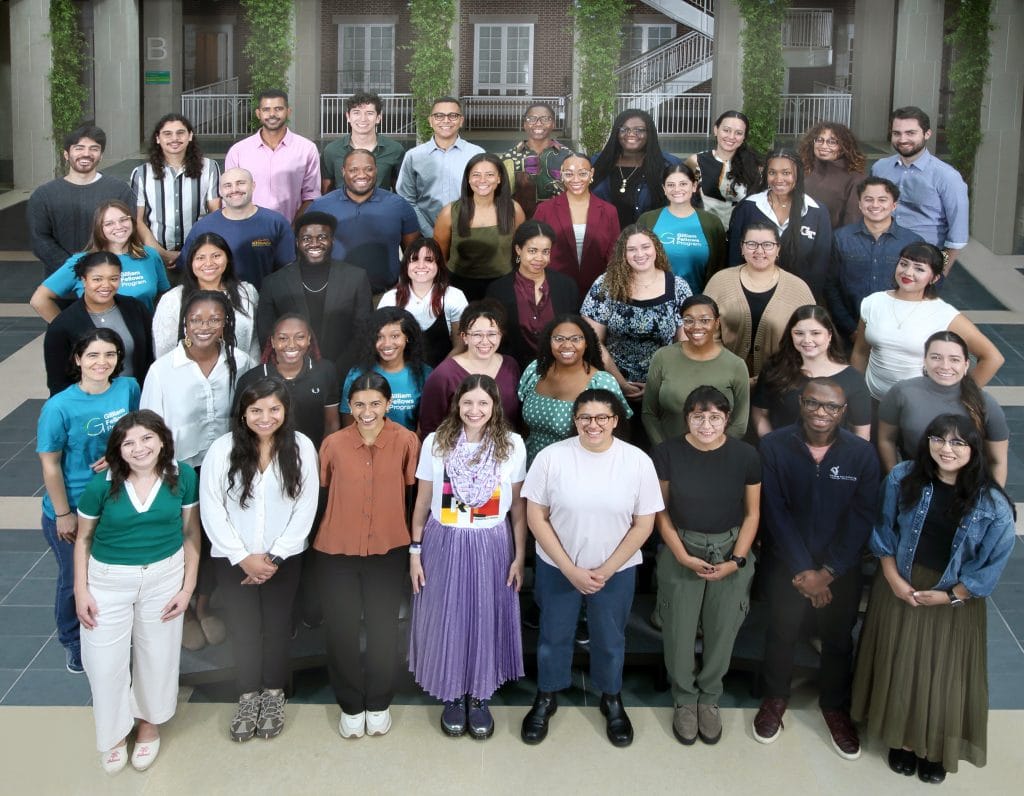
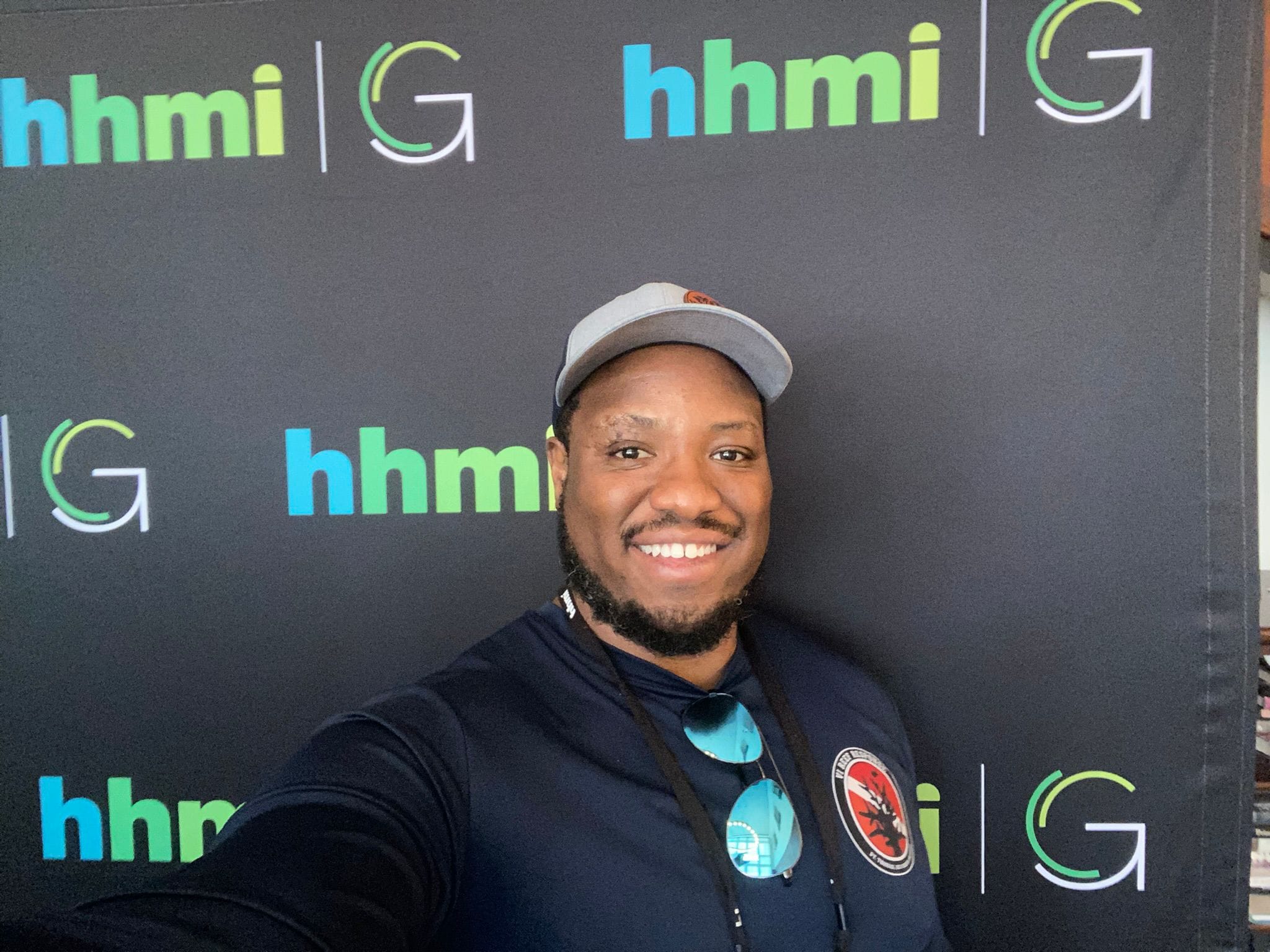
Penn State graduate student and adviser pair awarded HHMI Gilliam Fellowship
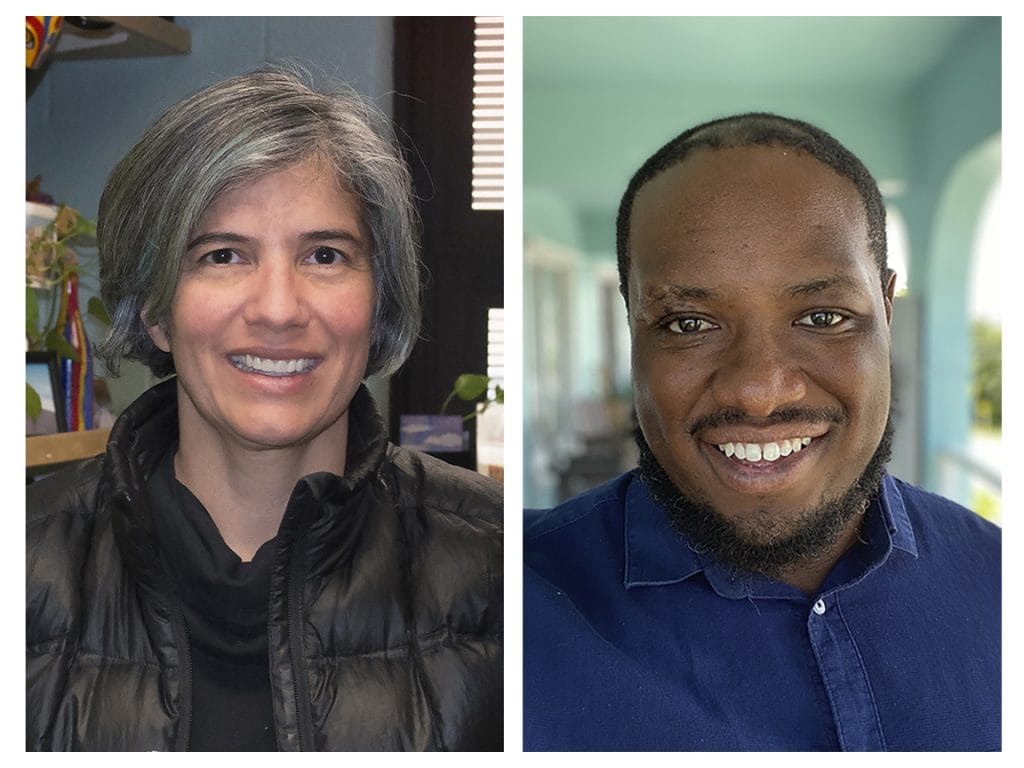
“It feels surreal to be recognized and accepted into the Gilliam family at HHMI. I am thrilled to join such a prestigious community and to learn from talented, motivated, and successful scientists and researchers,” said Howe. “Support from the Gilliam [Fellowship] will allow us to continue advocating for underrepresented minorities in marine science and bring awareness to the utility of biological and environmental conservation and education.”
Read the article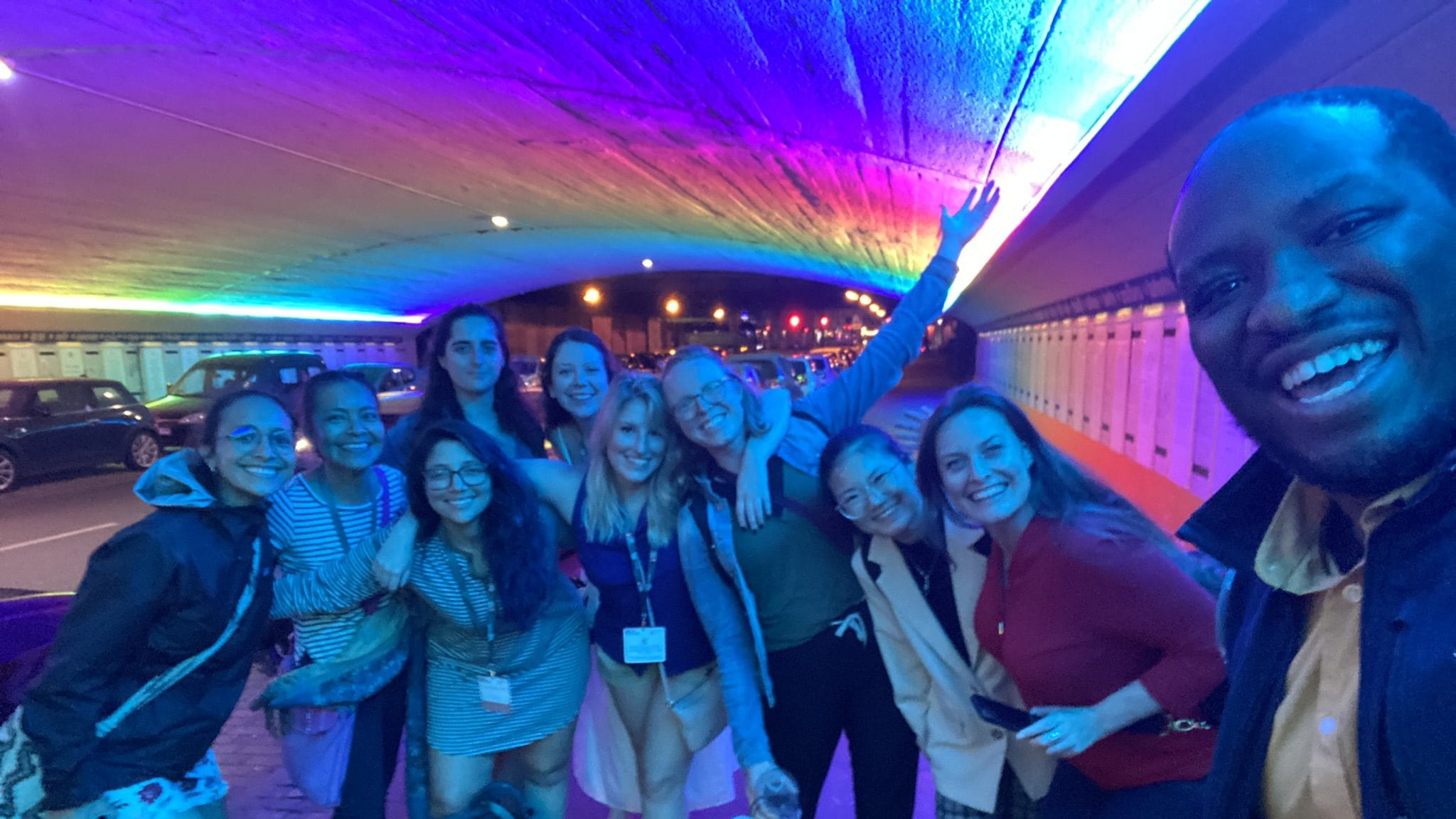
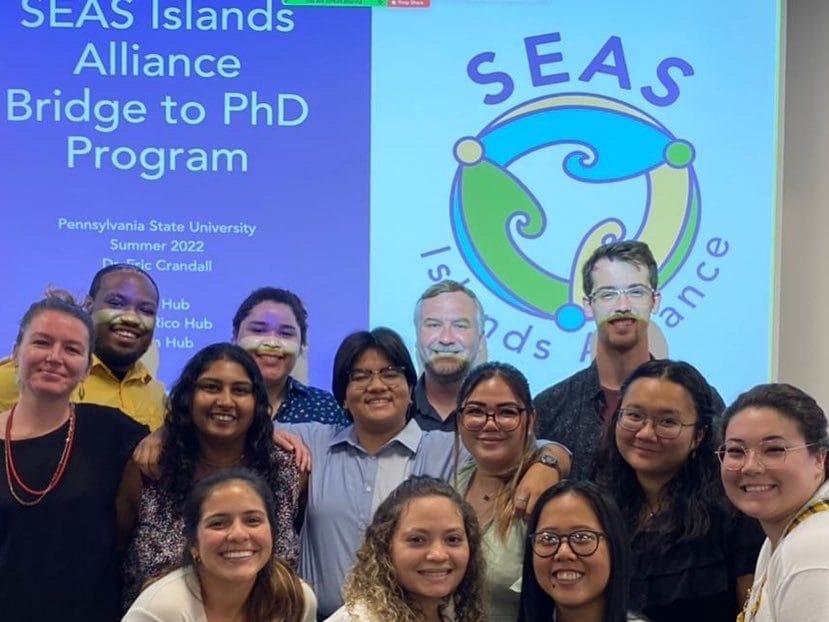
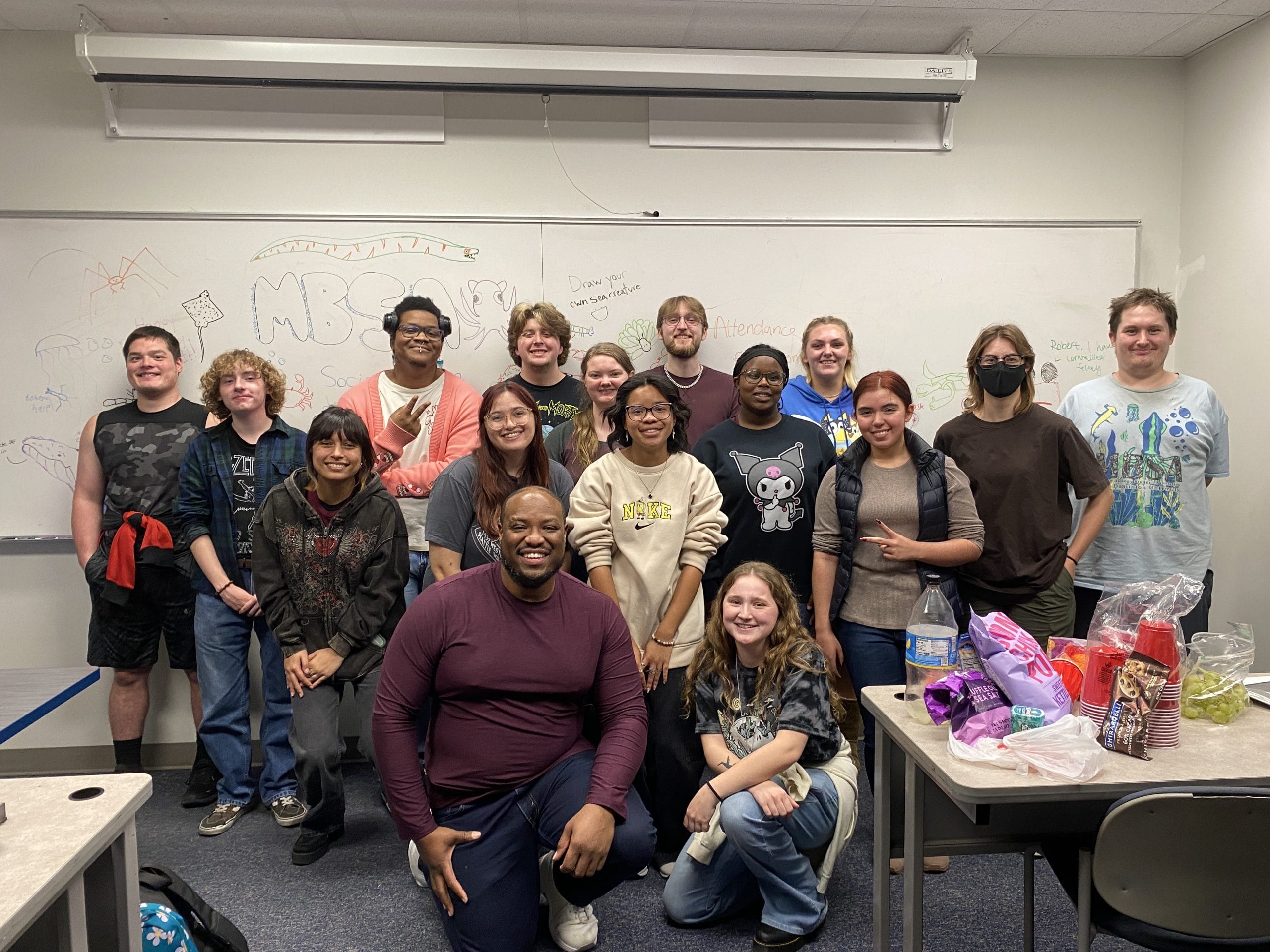
Colin’s leadership philosophy is grounded in collaboration, inclusion, and the belief that scientific excellence must be paired with equitable access. His leadership journey began as an undergraduate, when he founded the Marine Biology Student Association at Old Dominion University. The MBSA was designed to replicate a mangrove habitat; a safe place where early career marine scientist can develop their skills before adventuring to the open ocean to find a career.
As president, he organized trainings, facilitated scuba certifications, and secured travel grants for students attending national conferences. Since its inception in 2011, the MBSA continues to this day to be a healthy, thriving and diverse community of marine scientists where everyone is welcome! – MBSA members Fall 2025 – bottom photo
” No matter what you look like, no matter where you come from, you can be a marine scientist. “
Since then, he has taken on roles in virtual mentorship meeting with NGO interns and students in addition to collaboration with various science communication platforms. At Penn State, he has been a key contributor to the NSF-Summer Bridge Planning Committee, shaping a program that supports underrepresented students transitioning into doctoral research.
Colin’s work extends beyond academia. Through videos, blogs, social media, and public-facing science communication, he shares both his research and his experiences as a Black marine scientist, offering visibility and representation for future generations.
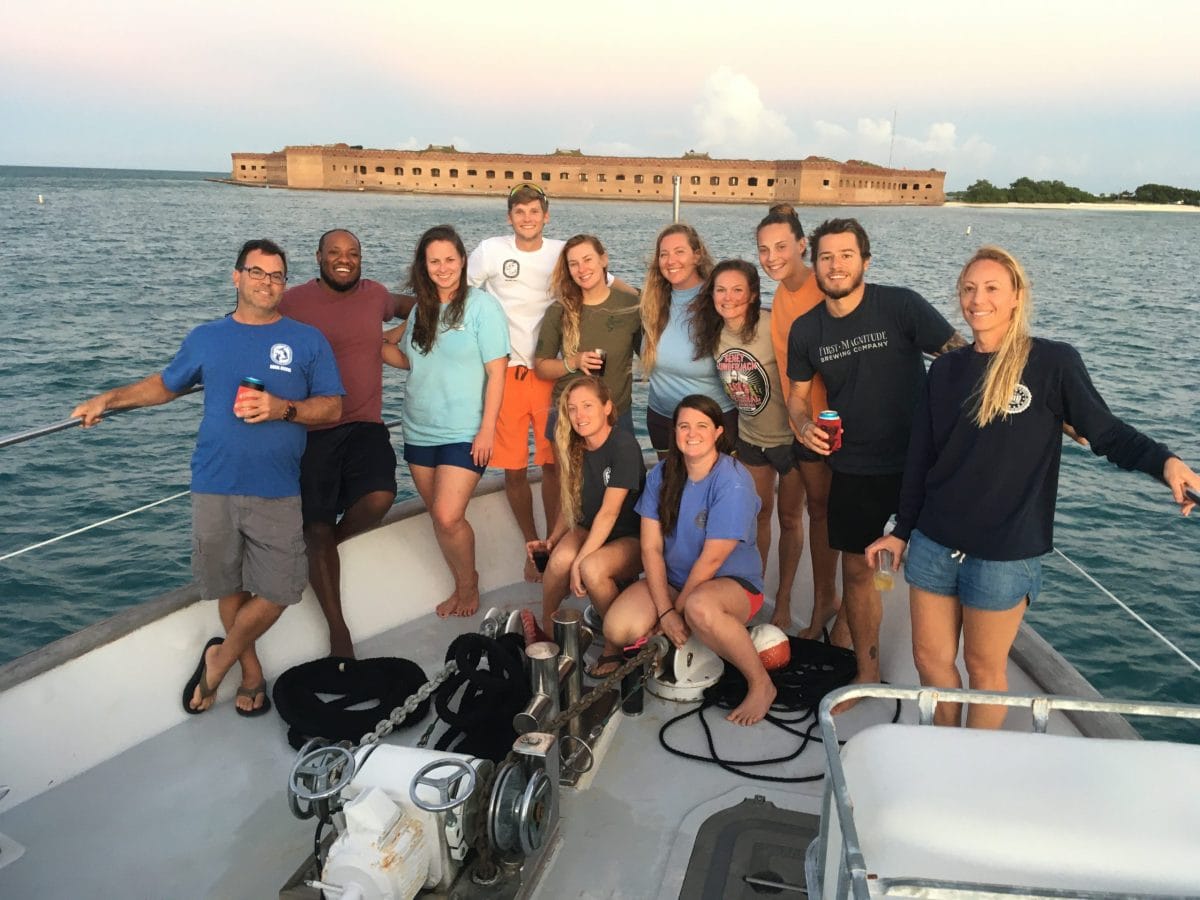
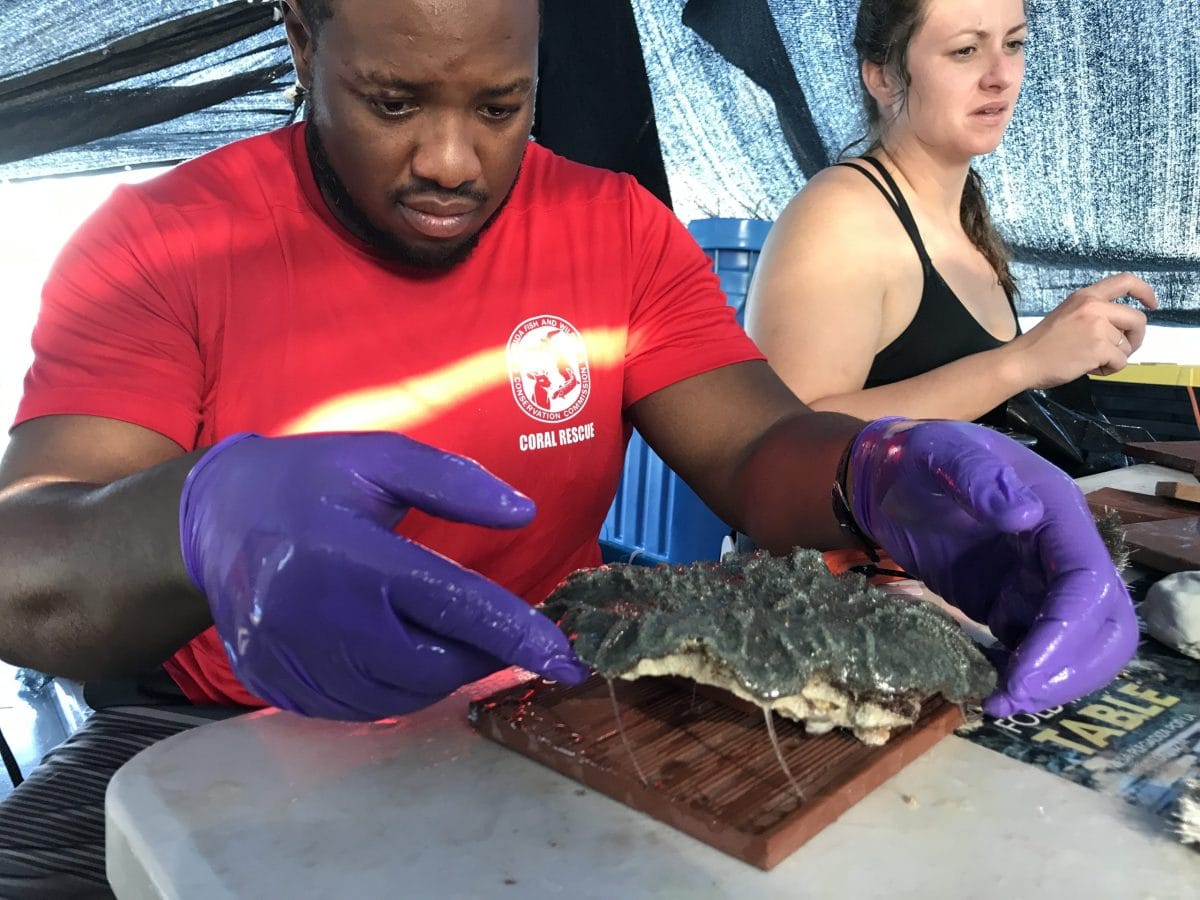
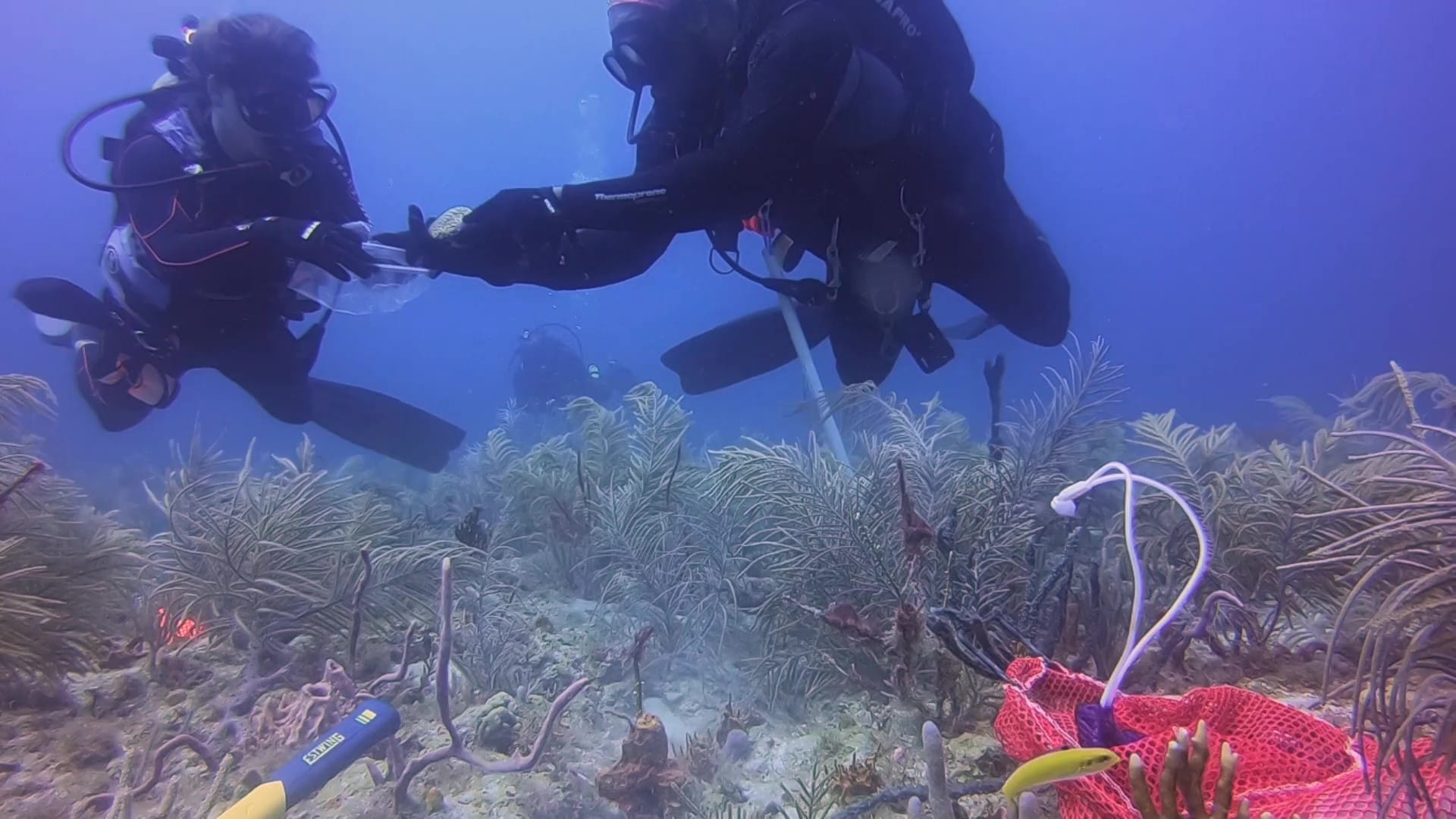
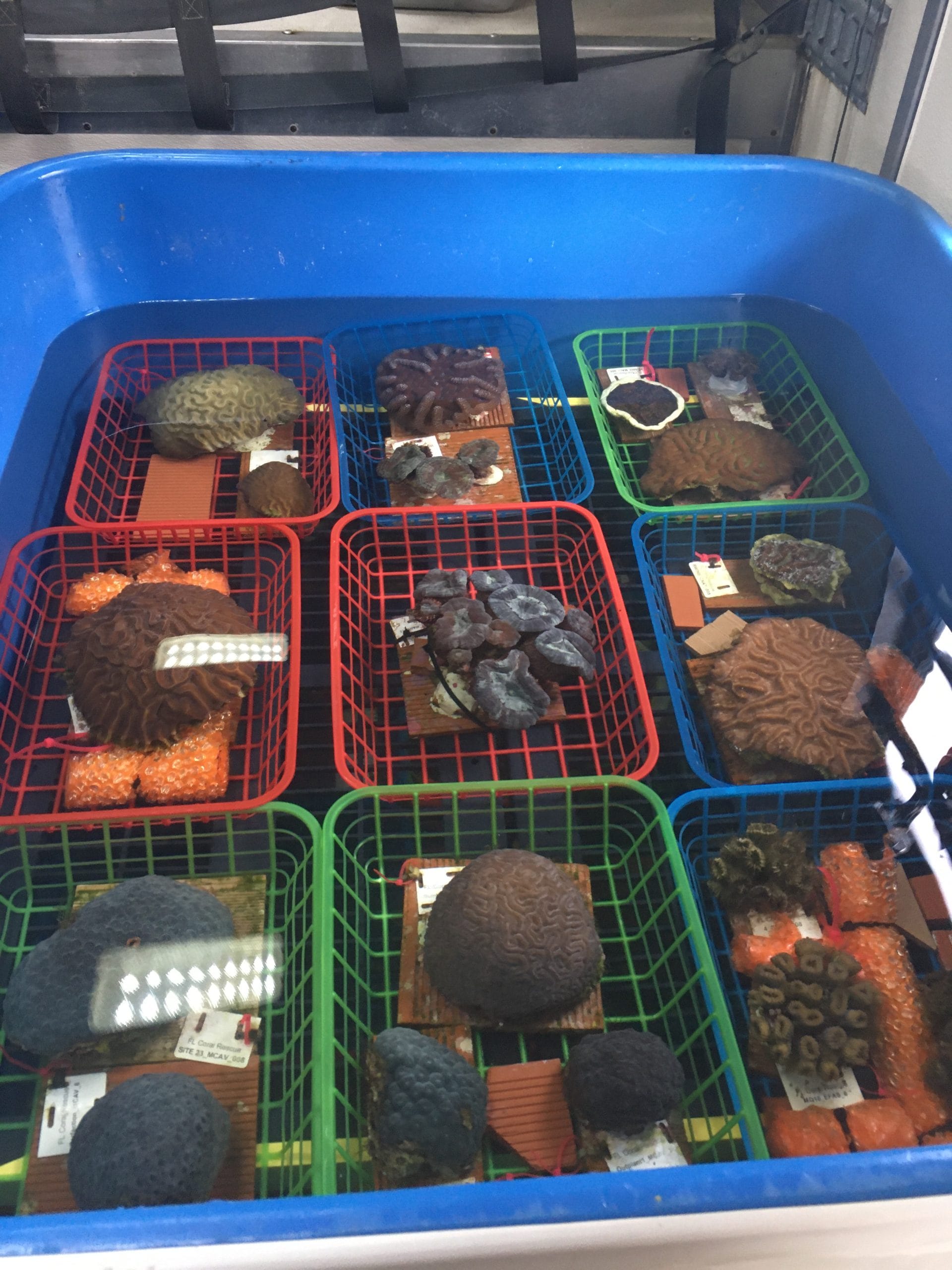
AZA Coral Reef Tract Rescue Project
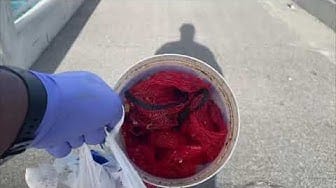
The AZA-Florida Reef Tract Rescue Project (AZA-FRTRP) is an AZA member-driven coral rescue and conservation network focused on the rescue, housing and future propagation of Florida corals affected by stony coral tissue loss disease. The AZA-FRTRP is a project within the AZA SAFE (Saving Animals From Extinction) Coral Program.
Experiential Learning & Mentorship
At the core of MarineSci4Life is Colin’s belief that students learn best when they can connect coursework, laboratory skills, and field experiences. His teaching and mentoring draw on:
• Study-abroad instruction in the Dutch Antilles, where he guided students through seagrass beds, mangroves, and coral reefs.
• Leadership in the NSF Summer Bridge to PhD Program, mentoring students from Puerto Rico, Guam, and the U.S. Virgin Islands in microbial ecology and metagenomics.
• Curriculum development at Penn State, where he has contributed to course design, training activities, and program planning.
• Mentoring graduate students in coral microbiome research, guiding them from DNA extractions to sequencing and manuscript preparation.
Colin is committed to supporting students—especially those from underrepresented groups—by cultivating autonomy, confidence, and scientific identity
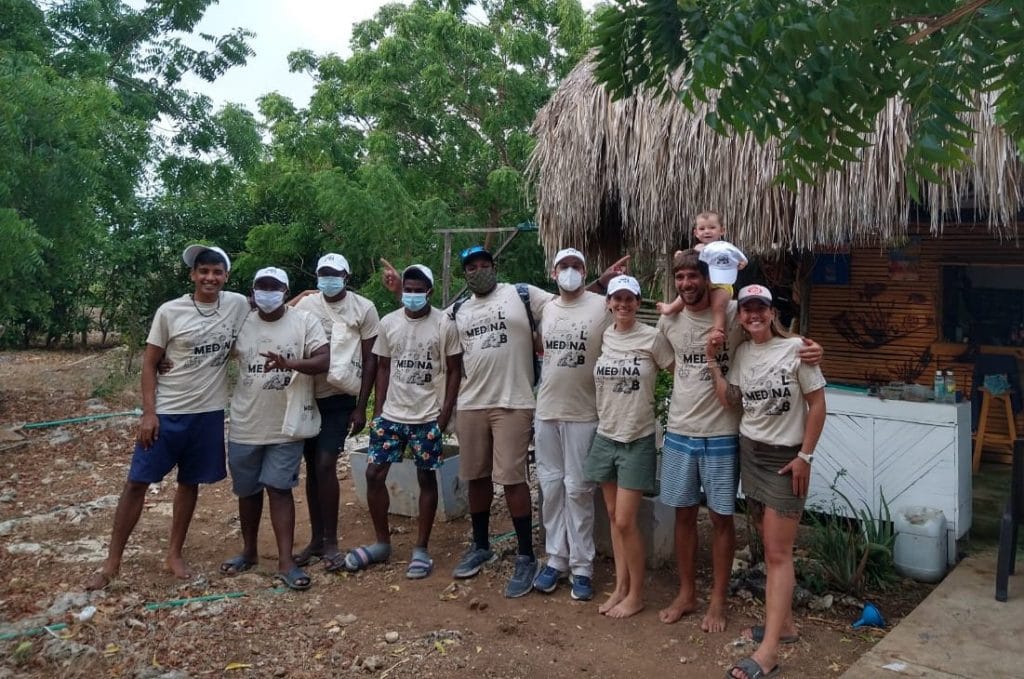
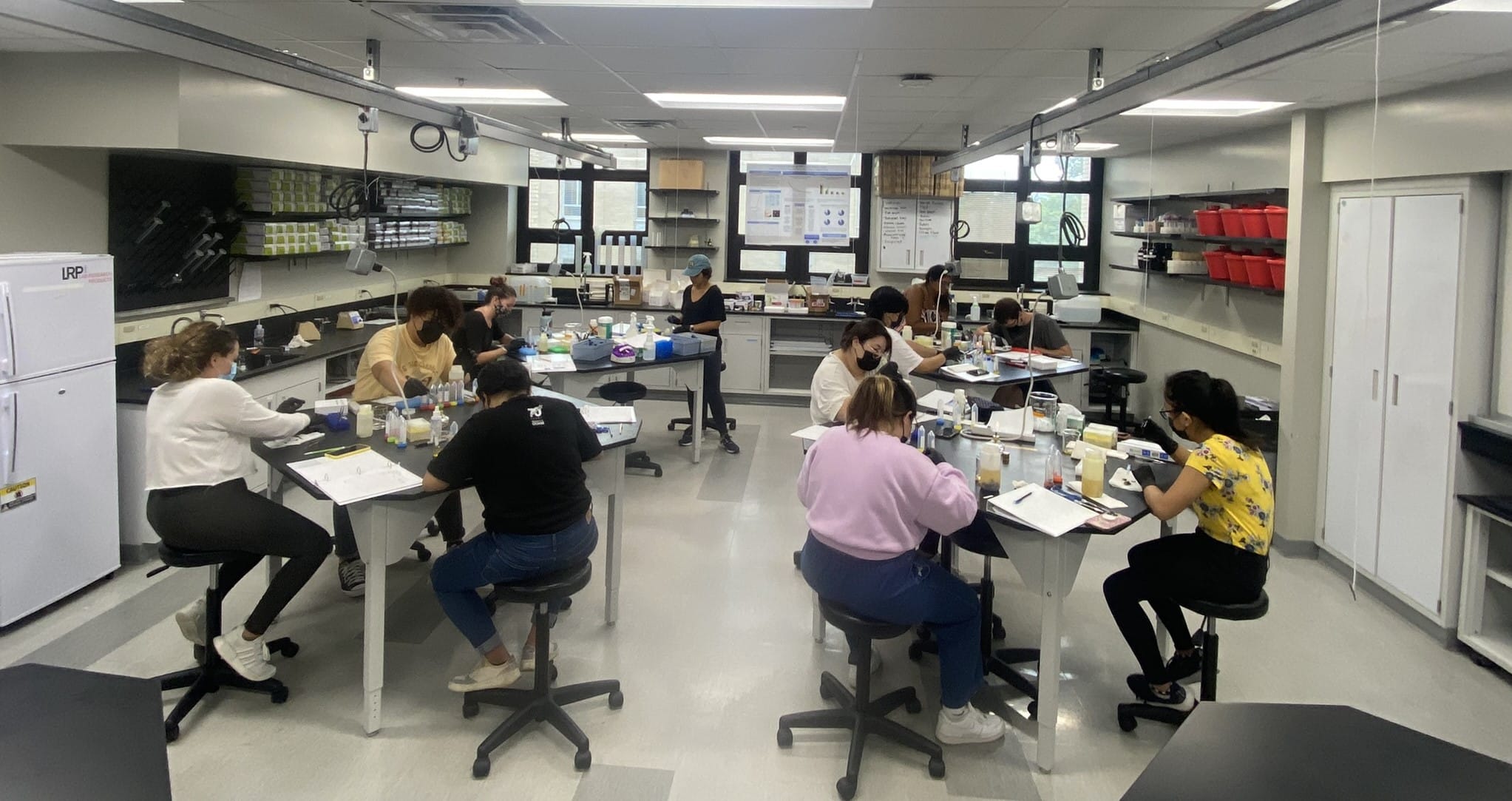
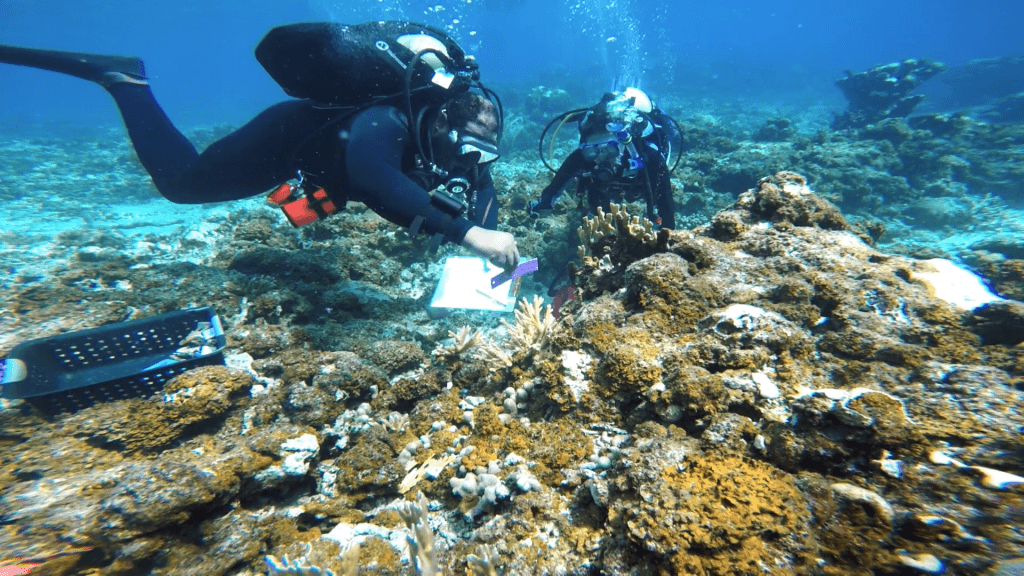
Fieldwork & Social Media

MarineSci4Life (Marine – Science – 4 – Life). This title captures the vibe of Colin’s online platform. Here he shares videos and stories about coral reefs , restoration and research projects, in addition to public-facing introduction video on coral ecology, restoration, and genomics. His media content highlights both the science and the people behind it—students, collaborators, island communities, and fellow researchers. Overall, representation in STEM matters. The MarineSci4Life platform strives to exemplify that no matter what you look like or where you come from, anyone can become a marine scientist for life.